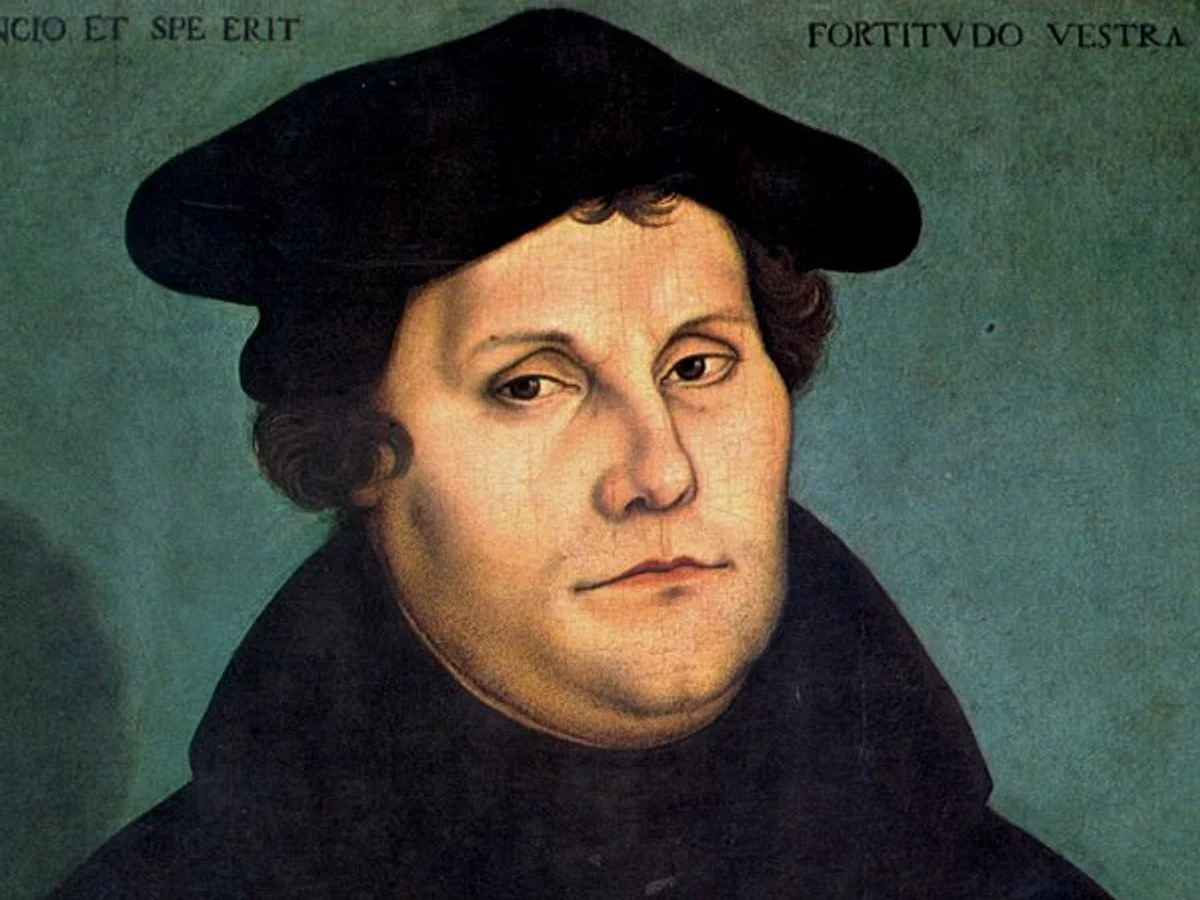

The Sword and the Press: Martin Luther, Theodor Bibliander, and the 1543 Latin Qur'an
Printed in 1543 by Johannes Oporinus and edited by Theodor Bibliander, the first Latin Qur'an survived censorship through Martin Luther’s intervention. Luther argued that exposing Islamic scripture would immunize Christians. Intended as a spiritual weapon against the Ottomans, the edition paradoxically established the academic study of Islam in Europe.
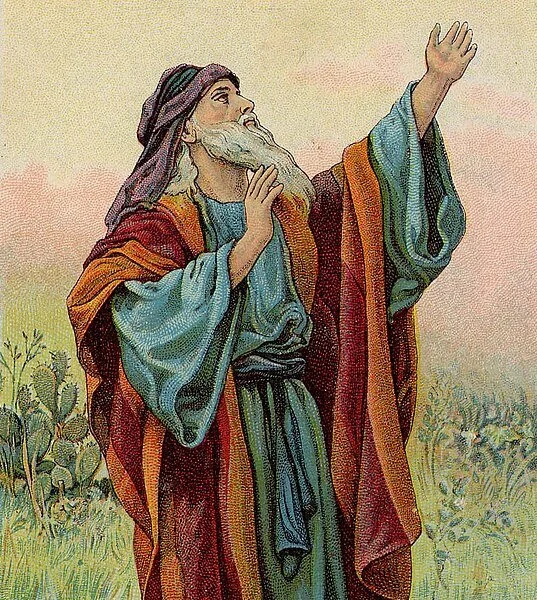
The Fifth Gospel Realized: A Comprehensive Analysis of Jesus Christ as the Fulfillment of Isaianic Prophecy
Jesus fulfills Isaiah’s vision as the virgin-born Immanuel and the Light of Galilee. He validated his Messiahship through miracles and by suffering vicariously as the Servant who bore the sins of many. His resurrection and inclusion of Gentiles complete the prophet's vision of universal redemption.
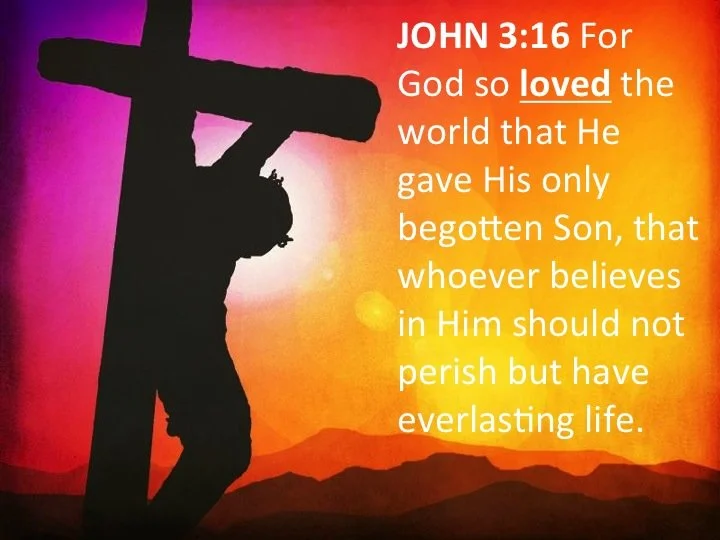
The Divine Arithmetics of Redemption: A Comprehensive Theological Analysis of John 3:16, the Fulfillment of the 613 Mitzvot, and the Canonical Pattern of 3:16
The 613 Mosaic laws expose human inability to attain perfection, acting as a tutor to reveal sin. John 3:16 offers the remedy: eternal life through faith in Jesus, who fulfilled the Law's requirements via His active and passive obedience. Remarkably, various "3:16" verses throughout Scripture mirror this redemptive theme.
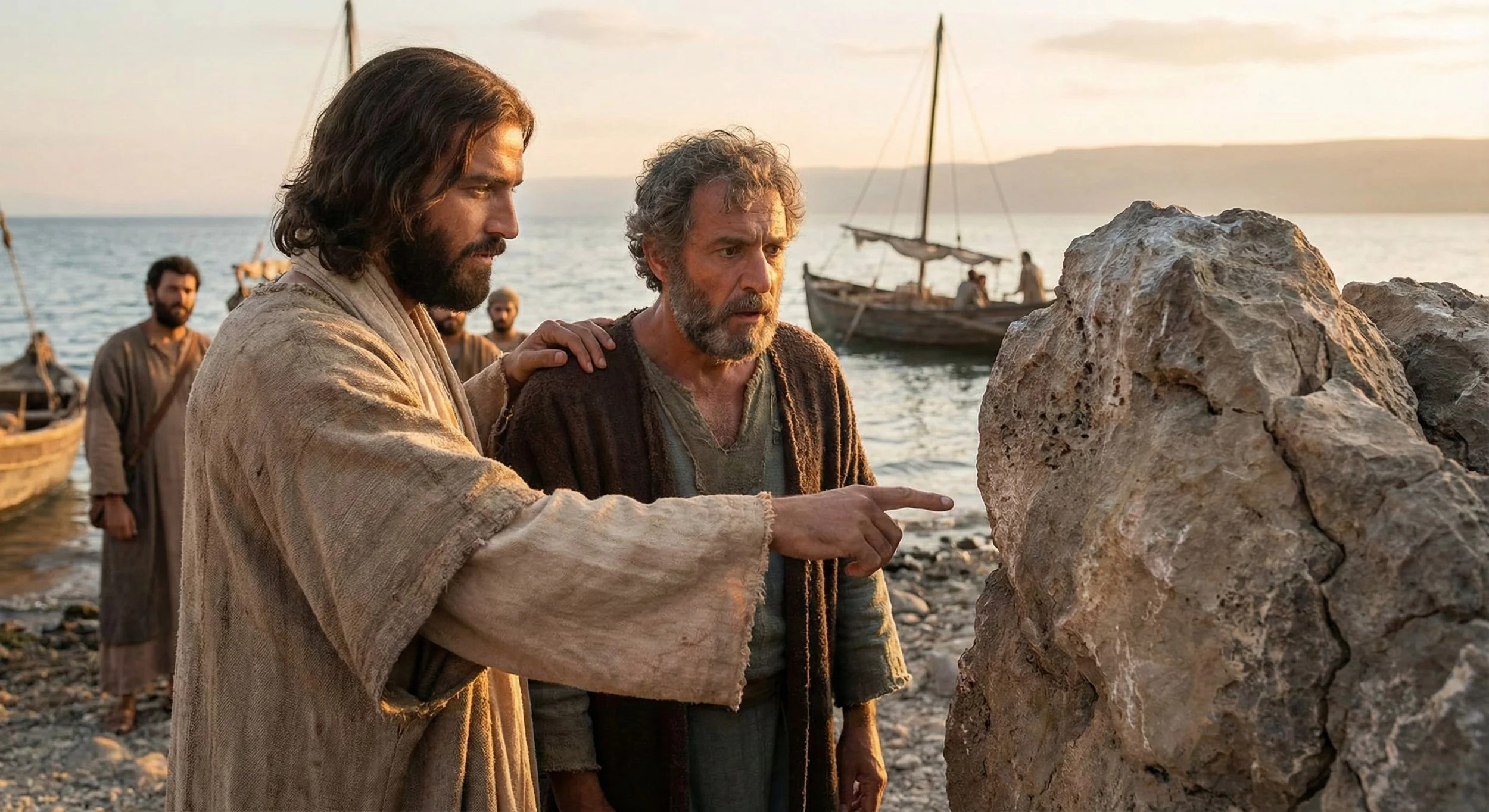
The Petrine Office and the Rock of Ages: An Exhaustive Theological, Philological, and Historical Analysis of Matthew 16:18 and the Vicarious Nature of Papal Authority
Catholic theology argues that Jesus, the primary "Rock," established Peter as "Rock" (Kepha) by participation, not replacement. This creates a vicarious office modeled on the Davidic prime minister (Eliakim), where Peter acts as Christ’s visible representative (Vicar) to maintain unity, while Jesus remains the ultimate, invisible foundation.

Hermeneutics of Revelation: A Biblical Theology of Prophetic Reception, Discernment, and Belief
The Bible does not command blind belief in every prophecy but mandates discernment. While 2 Chronicles 20:20 encourages trusting God's established prophets , 1 John 4:1 explicitly commands believers to "test the spirits". True belief follows rigorous testing against Scripture , evaluating the prophet's character , and community judgment.

The Sacrament of Initiation: A Comprehensive Theological, Historical, and Liturgical Analysis of Christian Infant Baptism
Christian infant baptism ranges from a sacrament cleansing Original Sin in Catholic and Orthodox traditions to a covenantal seal in Reformed theology, replacing circumcision. Distinct from Baptist "baby dedication" , the rite involves parents and godparents vowing to raise the child within the visible Church community.
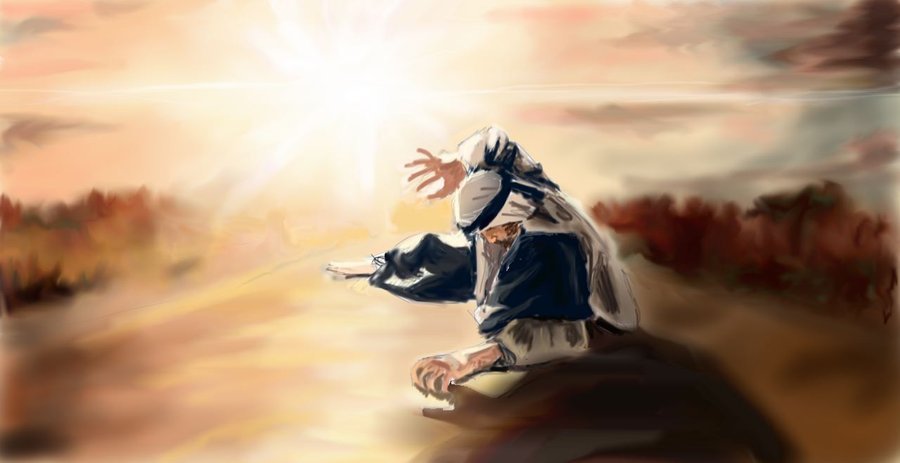
From Persecutor to Apostle: A Comprehensive Analysis of the Life, Transformation, and Mission of Paul of Tarsus
Saul of Tarsus, a zealous persecutor of Christians, was transformed by a blinding encounter with the risen Jesus on the Damascus Road. Reborn as Paul, the Apostle to the Gentiles, he spread the gospel across the Roman Empire. He eventually fulfilled his mission in Rome, preaching boldly under house arrest before his martyrdom.
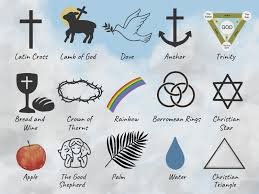
The Semiotics of the Sacred: An Exhaustive Analysis of Number, Symbol, and Rite in Christian Tradition
Christian symbolism, rooted in the Incarnation, invests the material world with spiritual meaning. Biblical numerology like 3 and 7 organizes divine truth , while symbols like the Ichthys and Anchor served as secret codes during persecution. Architecture and liturgy further this "grammar of faith," connecting the visible to the invisible.
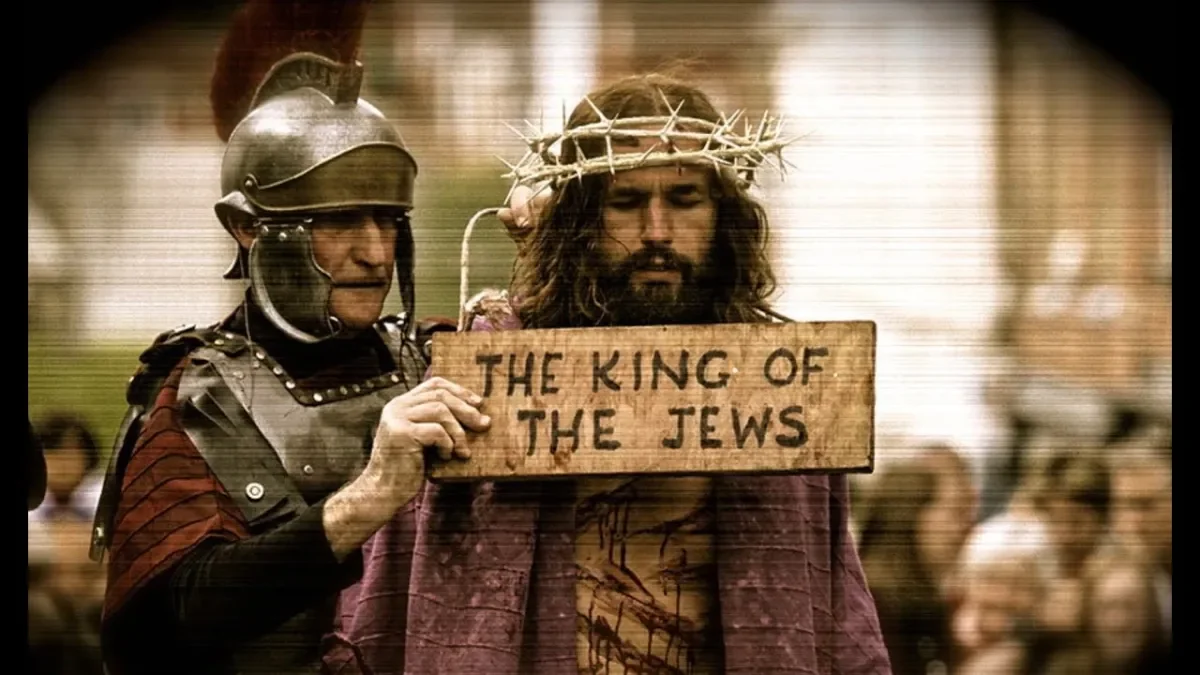
The Ineffable Name and the Imperial Cross: A Jurisprudential and Theological Analysis of the "I Am" Declaration and the Capital Sentencing of Jesus of Nazareth
Jesus’s "I Am" declaration claimed divine identity (Ani Hu), prompting a religious death sentence for blasphemy. However, Jewish leaders reframed this as political sedition ("King of the Jews") to force Pontius Pilate’s hand. Fearing treason charges after his patron Sejanus’s fall, Pilate ordered crucifixion rather than stoning.

The Codex and the Crown: An Exhaustive History of Biblical Compilation and the Rise of State Christianity
Driven by heresy and imperial strategy, the Bible evolved from fluid traditions into a fixed canon. Marcionism necessitated a defined New Testament , while Constantine and Theodosius codified orthodoxy to unify Rome. Simultaneously, Armenia, Georgia, and Aksum adopted state Christianity to strengthen national sovereignty against foreign influence.

The Hermeneutics of Divine Affection: A Comprehensive Exegesis on the Summarization and Fulfillment of the Law and Prophets through the Great Commandments
Jesus fuses the Shema's vertical command to love God with the horizontal mandate to love one's neighbor, creating a singular ethical constitution. This bipartite mandate serves as the structural hinge (krematai) for all Scripture. Love acts as the Law's teleological fulfillment (plerosis), satisfying its ultimate intent through total consecration.
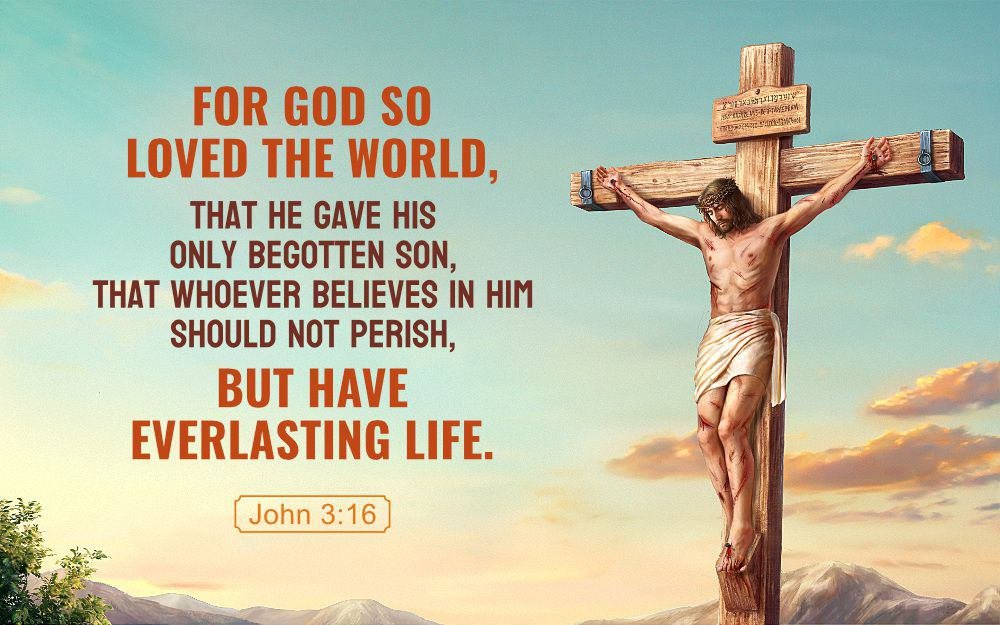
The Golden Text: A Comprehensive Exegetical, Theological, and Historical Analysis of John 3:16
Far more than a cultural slogan, John 3:16 acts as the theological climax of the Nicodemus dialogue. By linking the "unique" (monogenēs) Son to the bronze serpent typology, it defines God's love as a sacrificial act for a hostile world, sparking centuries of debate regarding the scope of atonement and the nature of belief.

The Architecture of Grace: A Systematic and Historical Analysis of the Theological Virtues in Christian Dogmatics and Praxis
Faith, hope, and love constitute the "theological virtues," evolving from Paul’s epistles into the structural core of Christian dogmatics under Augustine and Aquinas. While the Reformation redefined their soteriological roles, they remain the essential Christian answer to human existence, with Love identified as the supreme, eternal reality.
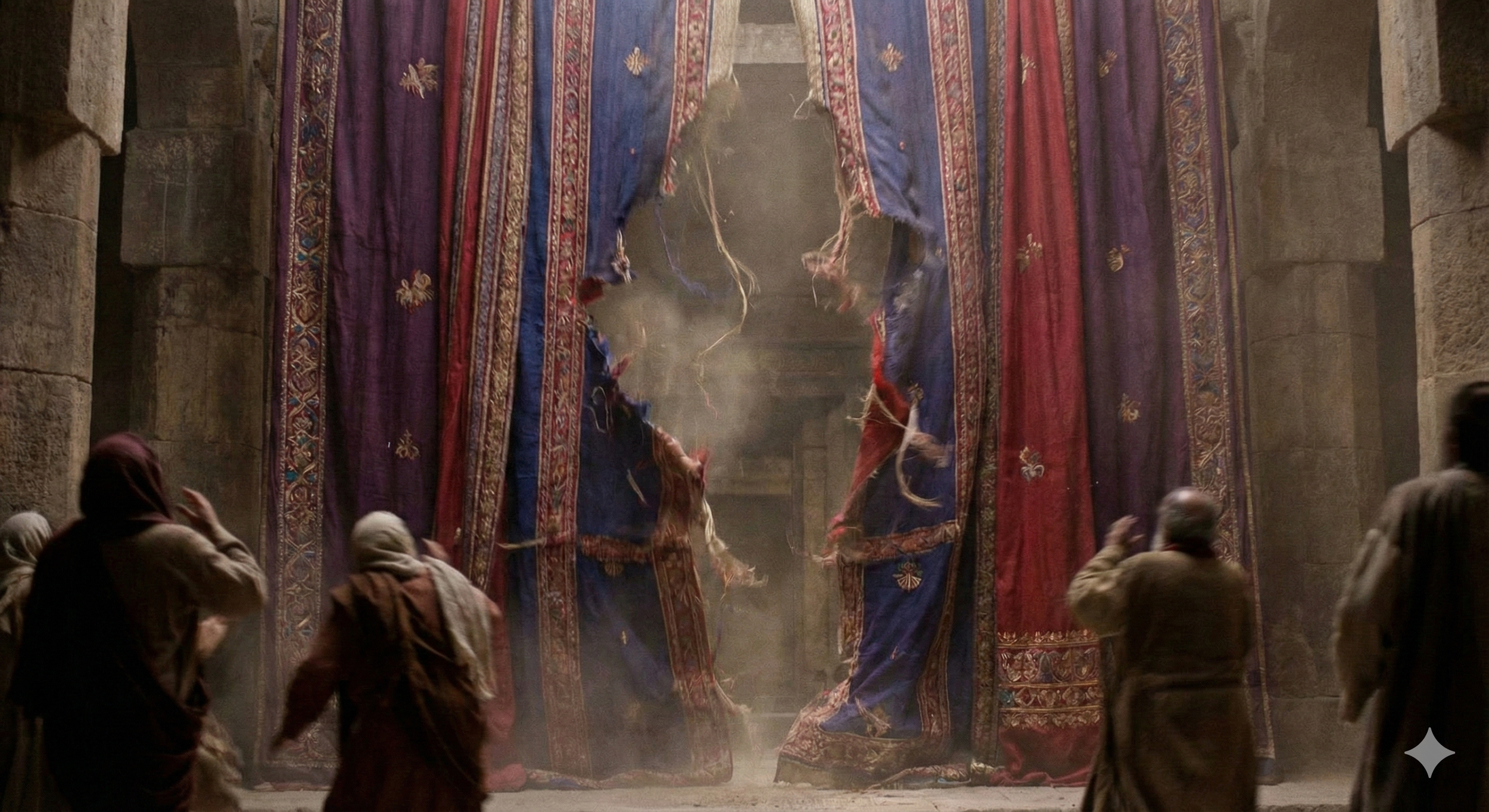
The Rending of the Cosmic Vesture: An Exhaustive Analysis of the Temple Veil at the Death of Jesus
The veil's rending symbolizes the end of the Levitical order and the opening of direct access to God through Christ’s flesh. Historically, it marks the departure of God's glory, coinciding with Jewish records of the cessation of miracles 40 years before the Temple's destruction , and functions as a cosmic sign of de-creation and divine mourning.

From a Garden to a Garden-City: An Analysis of Eden Restored in the Consummation of Revelation
The New Jerusalem is not merely Eden restored, but Eden glorified. Christ, the Second Adam, reverses the Fall's curse , transforming the original vulnerable garden into a secure, cosmic garden-city. This final state fulfills Eden’s potential, offering redeemed humanity unmediated fellowship with God forever.

The Eschatological Climax: An Exhaustive Exegetical and Theological Analysis of Revelation 16
Revelation 16 details the "Seven Bowls" of God's final wrath. Interpretations vary: Preterists see Jerusalem's AD 70 destruction ; Historicists, the dismantling of corrupt Christendom ; Futurists, literal global catastrophes ; and Idealists, a timeless spiritual struggle. The chapter culminates at Armageddon, ending with the divine proclamation, "It is done
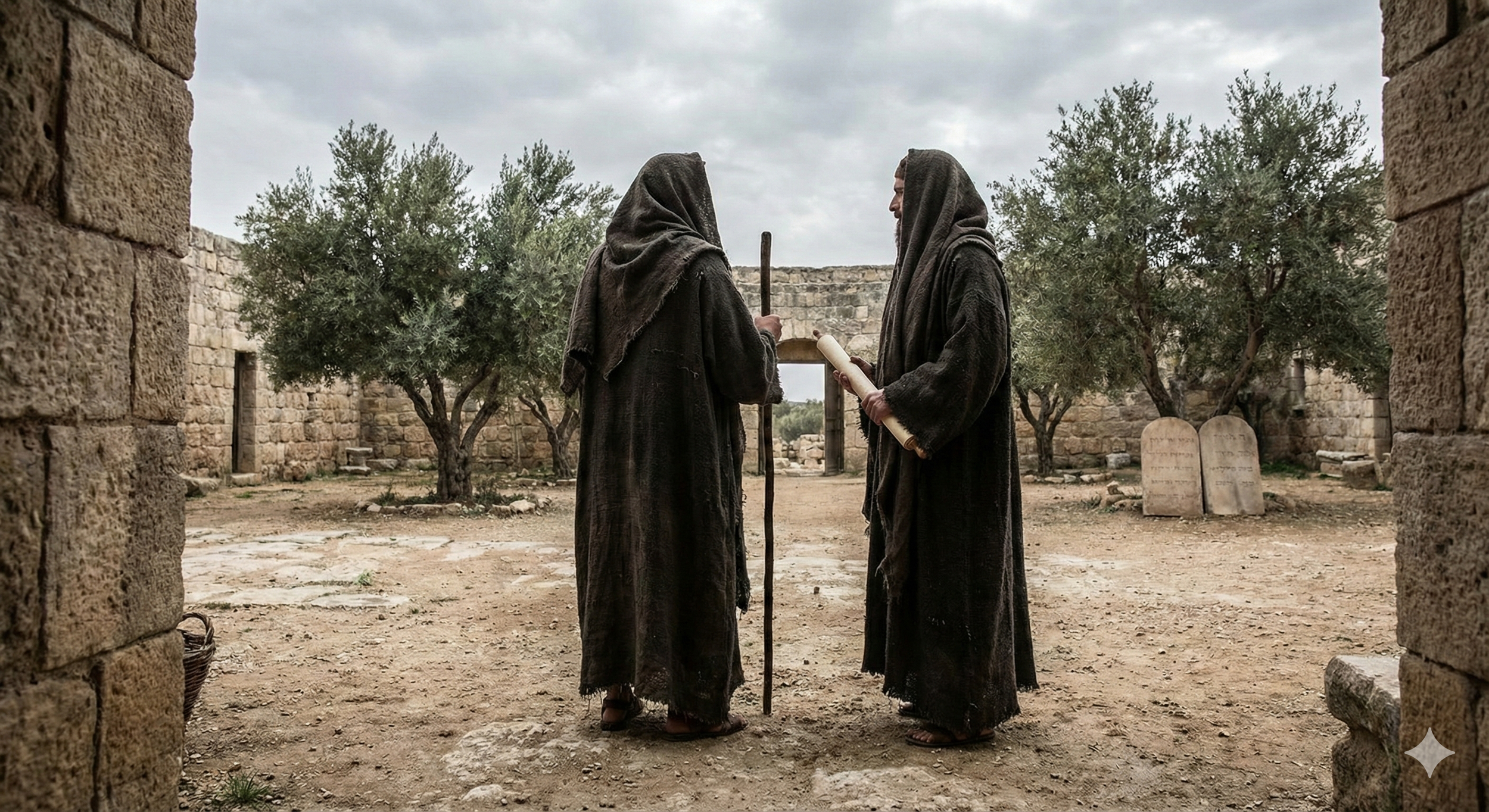
The Interlude of the Witnesses: A Theological and Eschatological Analysis of Revelation 11
Revelation 11 serves as a theological interlude depicting the spiritual preservation of God's temple and the empowered ministry of two witnesses. Though martyred by the beast, their resurrection and ascension demonstrate divine vindication over worldly opposition. The chapter culminates with the seventh trumpet, announcing the final establishment of Christ's eternal kingdom.

The Mysteries of the Basileia: An Exegetical and Theological Treatise on the Parables of Matthew 13
Matthew 13 pivots to parabolic teaching, revealing the "Kingdom of Heaven" as a present yet hidden reality during the inter-advent age. These stories illustrate that the Kingdom grows amidst evil (Wheat and Tares), permeates culture (Leaven), requires radical surrender (Pearl), and culminates in final divine judgment rather than immediate political conquest.
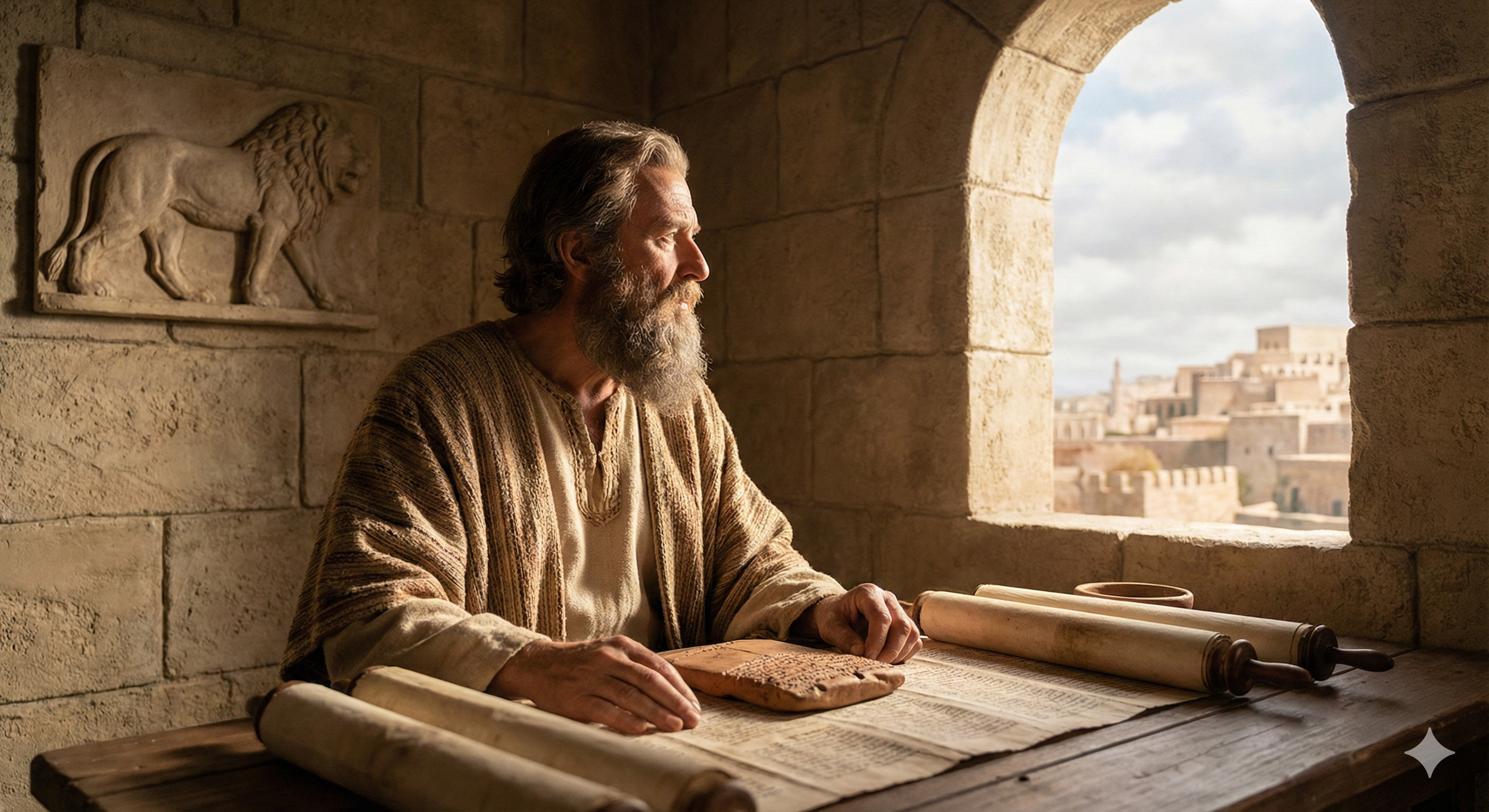
A Scholarly Analysis of Danielic Prophecy in Christian Christology
Christian exegesis identifies Daniel as a foundational Christological text. The "Stone" (Daniel 2) prefigures Christ's eternal Kingdom , while the "Son of Man" (Daniel 7) establishes his divine authority. Most notably, the "Seventy Weeks" (Daniel 9) is interpreted as a mathematical prophecy pinpointing the timing of Jesus’s crucifixion.