The Atlantic Fracture: A Strategic Assessment of the Systematic Dismantling of the NATO Alliance (2017–2025)
Trump transformed NATO from an unconditional alliance into a transactional protection racket. By imposing a 5% GDP spending requirement , coercing Ukraine into territorial concessions , and codifying "civilizational erasure" in US doctrine , he shattered Article 5’s credibility. By late 2025, the alliance remains technically intact but strategically "dormant".
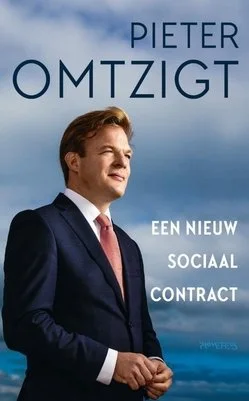
A New Social Contract: The Omtzigt Manifesto and the Reconstruction of the Dutch Constitutional Order
Pieter Omtzigt’s manifesto diagnoses a broken relationship between the Dutch state and citizens, exemplified by the childcare benefits scandal. To restore trust, he proposes a Constitutional Court, regional electoral reforms, and improved livelihood security, serving as the intellectual blueprint for his political party, New Social Contract.

The Halix Dossier: A Strategic Reconstruction of the Omtzigt-Rutte Vaccine Diplomacy
In April 2020, MP Pieter Omtzigt privately urged Prime Minister Rutte to invest €10 million in Leiden’s Halix facility to secure Oxford-AstraZeneca vaccines . Despite a formal proposal, the Ministry of Health rejected the deal due to bureaucratic caution . Consequently, the UK secured the supply, costing the Netherlands priority access .
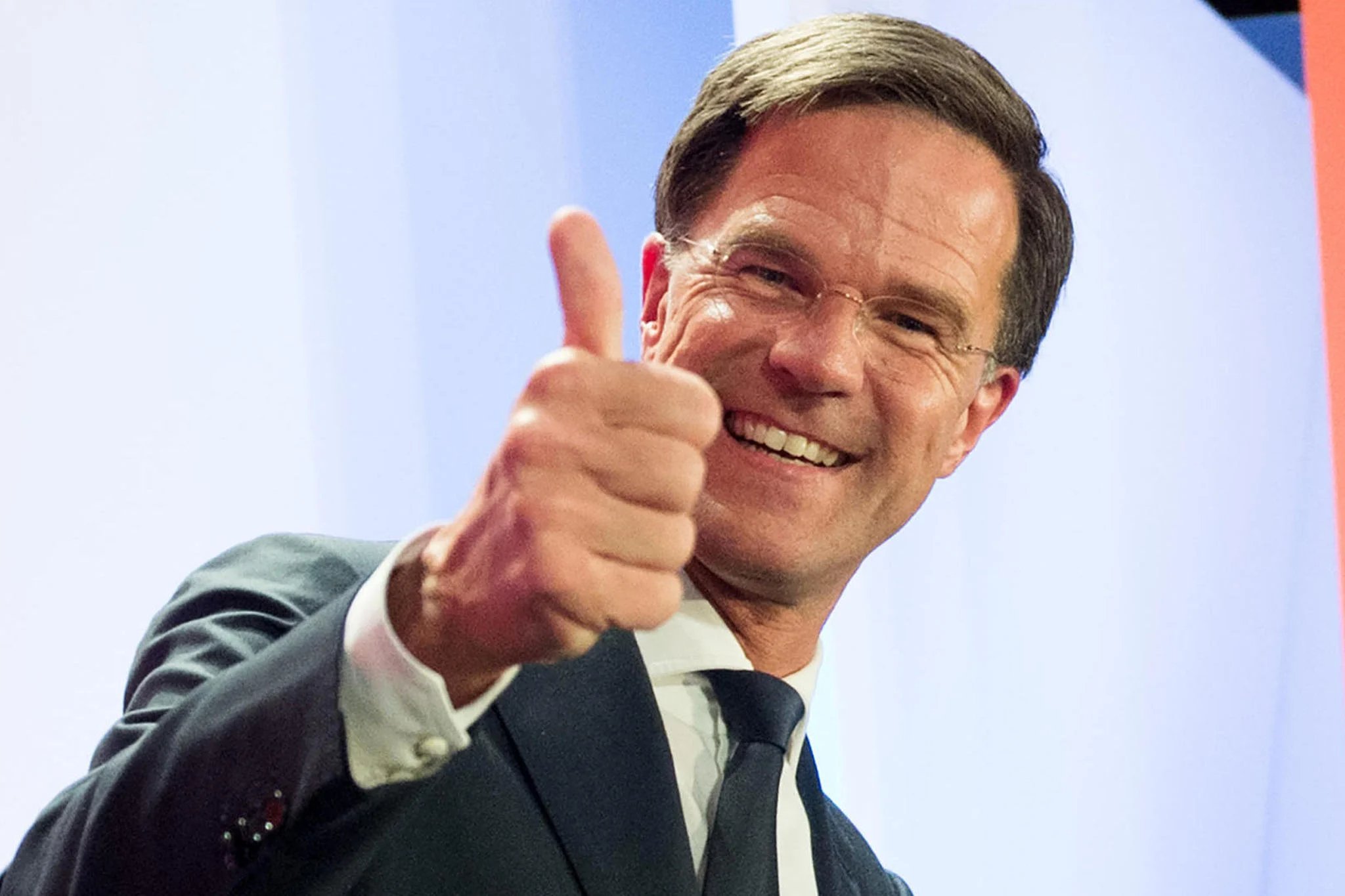
The Teflon Consensus: The Diplomatic Engineering of Mark Rutte’s Ascension to NATO Secretary General
Rutte leveraged his "Teflon" survival skills and "Trump whisperer" reputation to secure backing from major powers. He outlasted hawkish rivals and neutralized Turkish and Hungarian vetoes through transactional arms deals and Ukraine opt-outs , proving himself the necessary pragmatist for a fractured alliance.
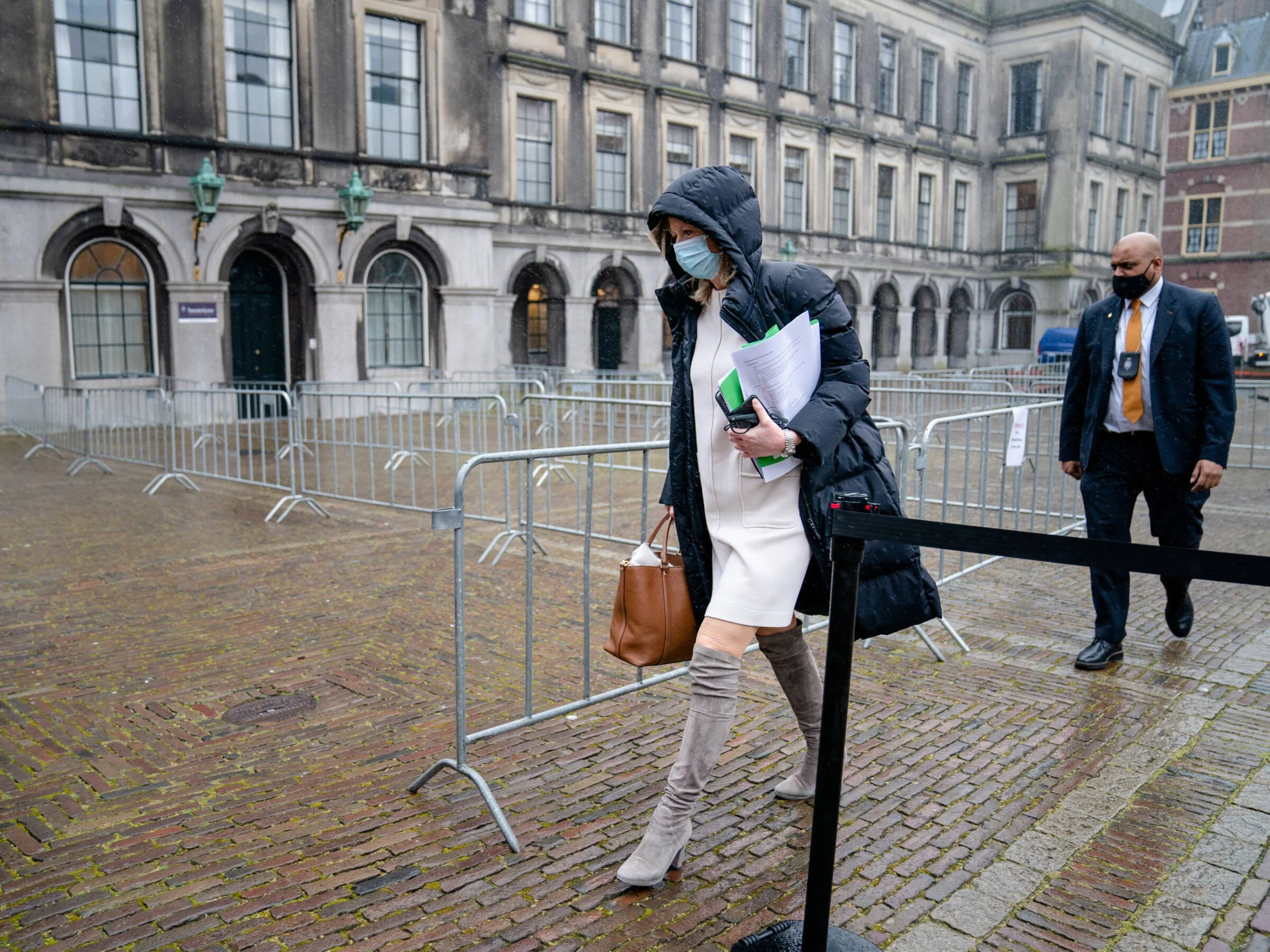
Functie Elders: The Four Words That Exposed a Crisis in Dutch Politics
In 2021, leaked notes reading "Position Omtzigt, function elsewhere" suggested sidelining critic Pieter Omtzigt. PM Rutte initially denied discussing him but, when contradicted by evidence, defended himself by claiming he did not lie but simply had a "wrong memory" of the conversation. This defense sparked a severe breach of trust and a parliamentary censure.