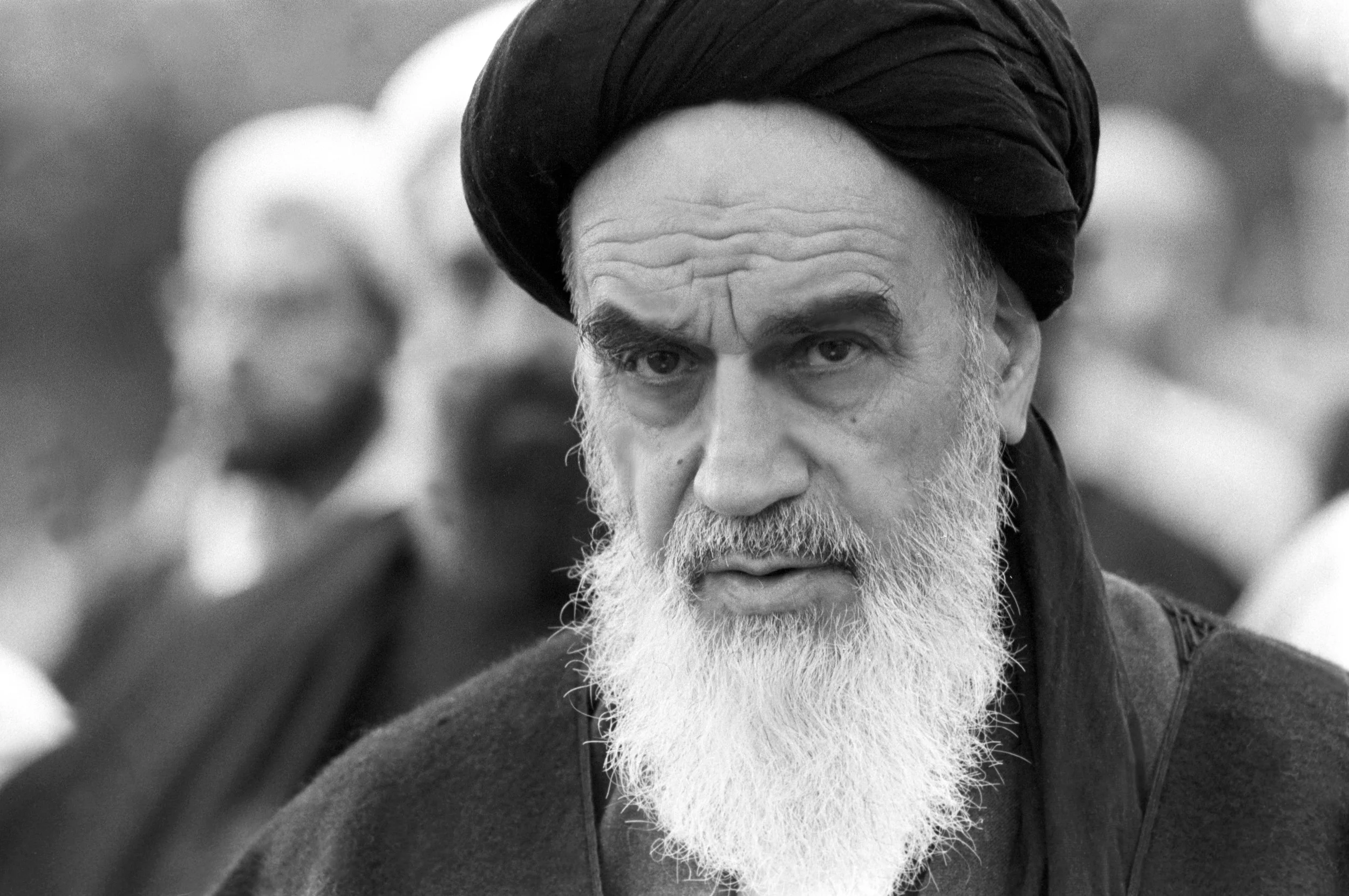
The Sign of God: A Comprehensive Analysis of the Ayatollah in Theology, Society, and Statecraft
"Ayatollah" ("Sign of God") denotes high-ranking Shi'a jurists trained in the Hawza. The institution is divided: Najaf's "Quietist" school (Sistani) rejects executive power, while Qom's "Revolutionary" school (Khamenei) enforces Velayat-e Faqih (clerical rule). Both sustain authority through Khums taxes, though Iran utilizes state-controlled Bonyads.

The Elders: An Institutional and Operational Analysis of Independent Global Leadership
Founded by Nelson Mandela in 2007, The Elders is an independent group of global leaders working for peace, justice, and human rights. Supported by a London-based Secretariat, they utilize private diplomacy and public advocacy to address existential threats like conflict and climate change, currently chaired by Juan Manuel Santos.

The Saffron and the Silicon: An Exhaustive Analysis of Steve Jobs’ Spiritual Path, the Psychedelic Ethos, and the Genesis of Apple’s Soul
Steve Jobs fused Hindu intuition and Zen minimalism (Ma) to define Apple's design ethos. He openly promoted LSD as a vital "cognitive technology" for expanding consciousness, claiming it revealed "the other side of the coin." His final act was gifting Autobiography of a Yogi to memorial attendees, emphasizing self-realization over technology.

The Final Ultimatum: An Exhaustive Historical and Political Analysis of Mahatma Gandhi’s "Do or Die" Speech and the Quit India Movement of 1942
Gandhi’s 1942 "Do or Die" speech marked a pivotal shift to immediate, non-violent mass resistance against British rule during World War II. Although the leadership was swiftly arrested, the ensuing "August Revolution" and underground movements successfully delegitimized colonial authority, proving the Raj was militarily powerful but politically unsustainable.