
The Inverted Cosmos: The "World Upside Down" as the Mosaic Foundation and the Legacy of Papyrus Leiden I 344
Moses weaponized the Egyptian "World Upside Down" motif to structure the Plagues as a "de-creation" of cosmic order (Ma'at), thereby dismantling Pharaoh's claim to divinity. This literary tradition is preserved in the Admonitions of Ipuwer (Papyrus Leiden I 344), housed in Leiden, which vividly describes a similar inversion of natural and social hierarchies.
The Phenomenology of the Absolute Future: A Comprehensive Comparative Analysis of Messianic Figures Across Religious and Secular Traditions
Across religions, the Messiah archetype resolves the tension between a flawed present and a perfected future. While Abrahamic faiths await linear redemption through the Mashiach , Christ , or Mahdi , Dharmic traditions foresee cyclical renewal via Kalki or Maitreya. Ultimately, these figures embody a universal hope for cosmic justice.

The Eridu Genesis: An Exhaustive Analysis of the Sumerian Primeval History
The Eridu Genesis (c. 1600 BCE) is the earliest known Sumerian flood narrative. It recounts the creation of man, the divine institution of kingship, and the founding of five cities. After Enlil decrees a flood to silence humanity, the priest-king Ziusudra survives via a boat and is granted immortality.

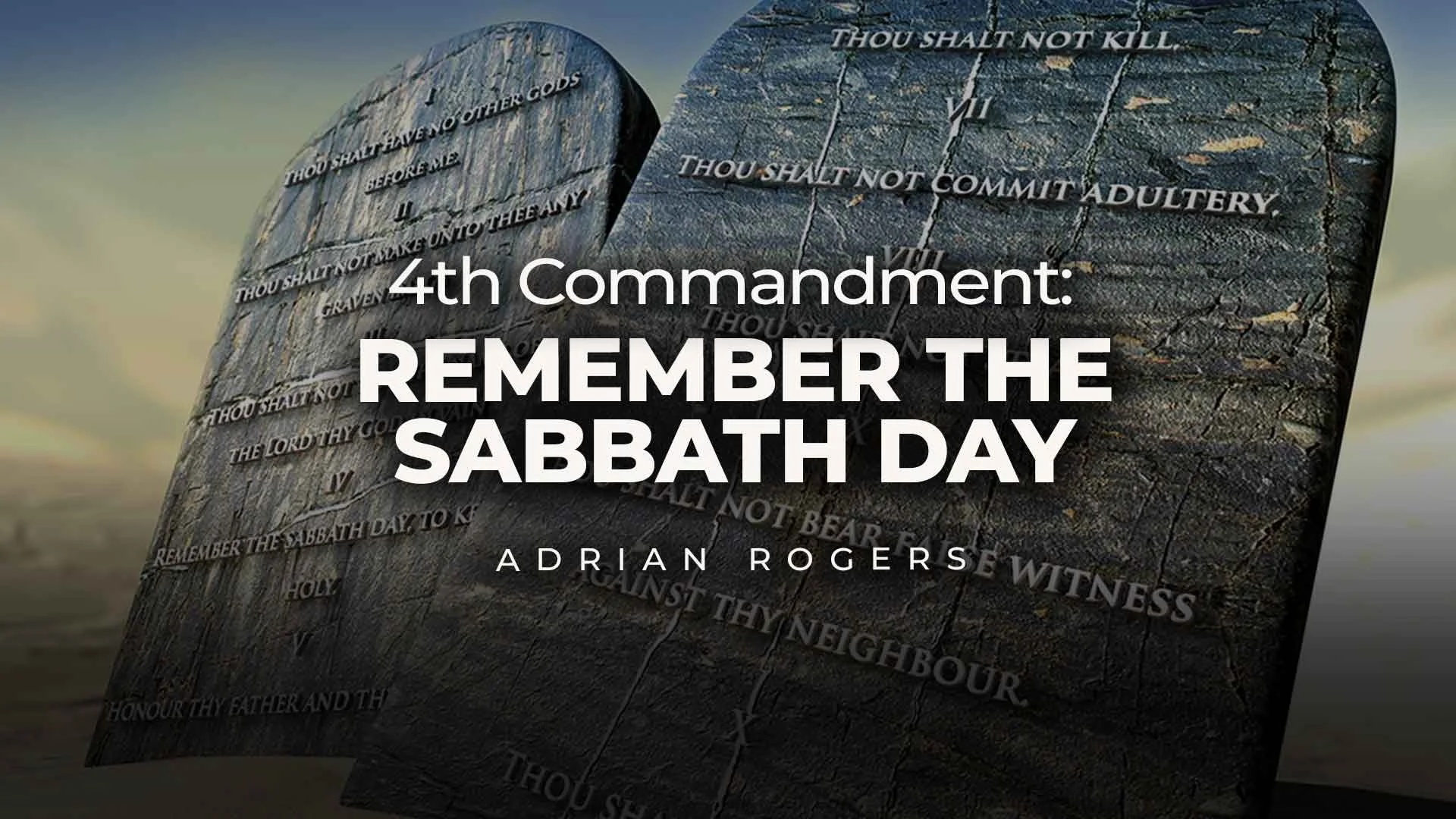
The Architecture of Sanctified Time: A Comprehensive Exegesis of the Sabbath Commandment in the Torah
The Torah establishes Sabbath holiness in Genesis 2 (Creation), mandates it in Exodus 20 ("Remember") and Deuteronomy 5 ("Observe"), enforces it as a capital covenant sign in Exodus 31 , and operationalizes it through "holy convocations" in Leviticus 23 and doubled sacrifices in Numbers 28.
The Legal Mandate of Inuy Nefesh: An Exhaustive Analysis of the Shabbat Shabbaton
Yom Kippur, the "Sabbath of Sabbaths," mandates complete cessation of labor. The Torah's command to "afflict the soul" is legally defined by five prohibitions: eating, drinking, washing, anointing, wearing leather shoes, and marital relations. This physical withdrawal redirects focus from biological needs to spiritual atonement.

The October Earthquake: A Strategic, Operational, and Geopolitical Analysis of the 1973 Yom Kippur War
On October 6, 1973, Egypt and Syria launched a coordinated surprise attack on Israel. After severe initial setbacks, the IDF mobilized and executed decisive counteroffensives, encircling Egypt's Third Army and advancing toward Damascus. The conflict reshaped regional dynamics, ultimately leading to the historic 1979 Egypt-Israel Peace Treaty.
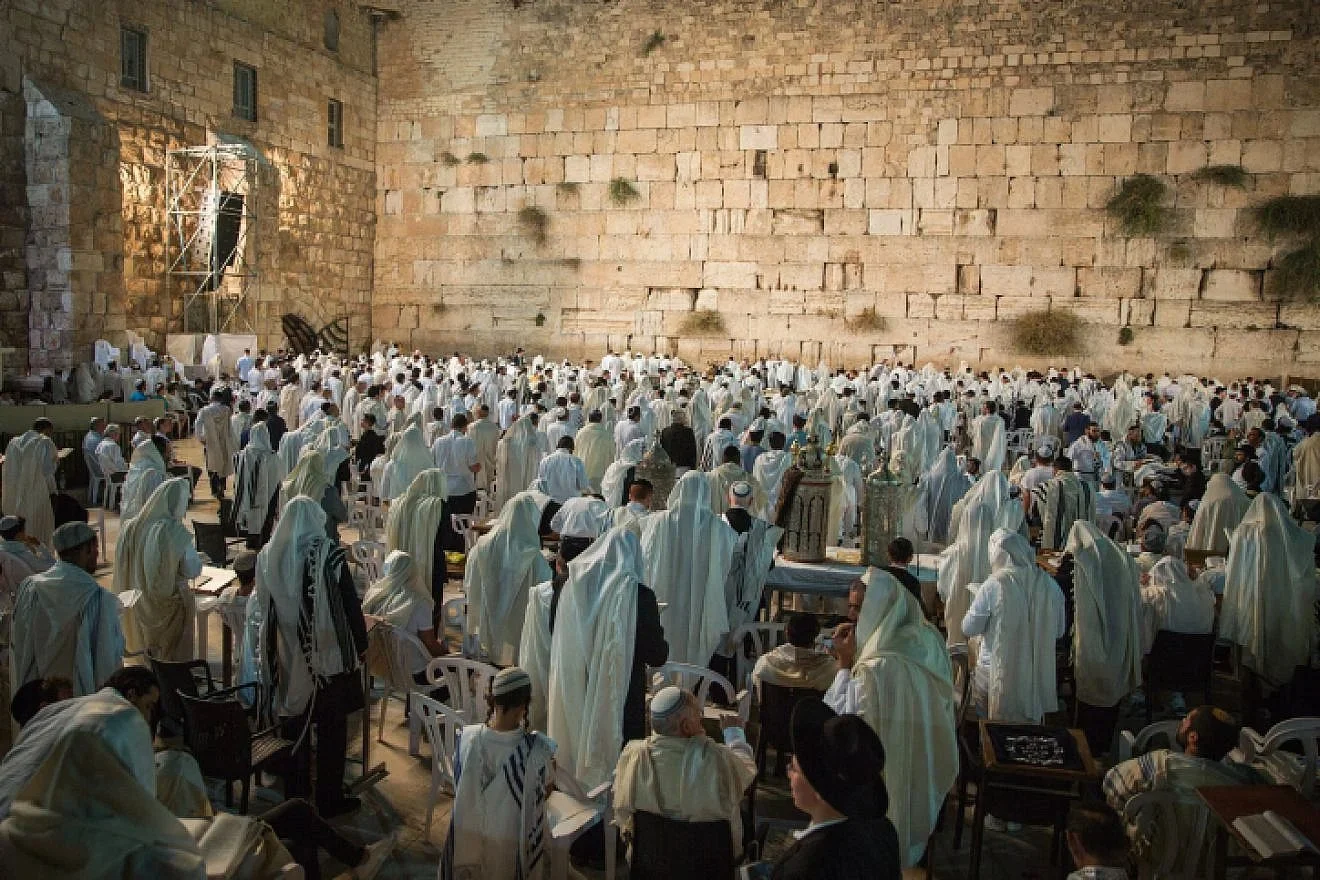
Sacred Time and Martial Myth: A Definitive Analysis of Yom Kippur and the Etymology of the Six Day War
Yom Kippur, Judaism's "Day of Atonement," focuses on spiritual cleansing through fasting and prayer. The 1967 "Six Day War" was named by Yitzhak Rabin to evoke the biblical Creation week and signify national rebirth. This differs from the 1973 "Yom Kippur War," named for the surprise attack launched on that holy day.

The Sword of Holiness: Leviticus, Hermeneutics, and the Modern Construction of Sexual Orthodoxy
Leviticus 18:22 and 20:13 are utilized by interpreting ancient purity codes as binding moral law. Traditionalists cite the term "abomination" to frame same-sex acts as violations of divine order. This literalist reading underpins opposition to LGBTQ+ rights in legislation, court cases, and religious doctrine, often dismissing historical ritual contexts

Order from Chaos: An Exegetical and Comparative Analysis of the Genesis Creation and Flood Narratives
Genesis 1:1-2 depicts the Ruach Elohim (Spirit of God) organizing chaos. Contrasting with the violent Enuma Elish and Gilgamesh, Genesis uses shared motifs to present a unique theology: a moral, sovereign Creator establishing peace and covenant, replacing the amoral violence of Mesopotamian polytheism.
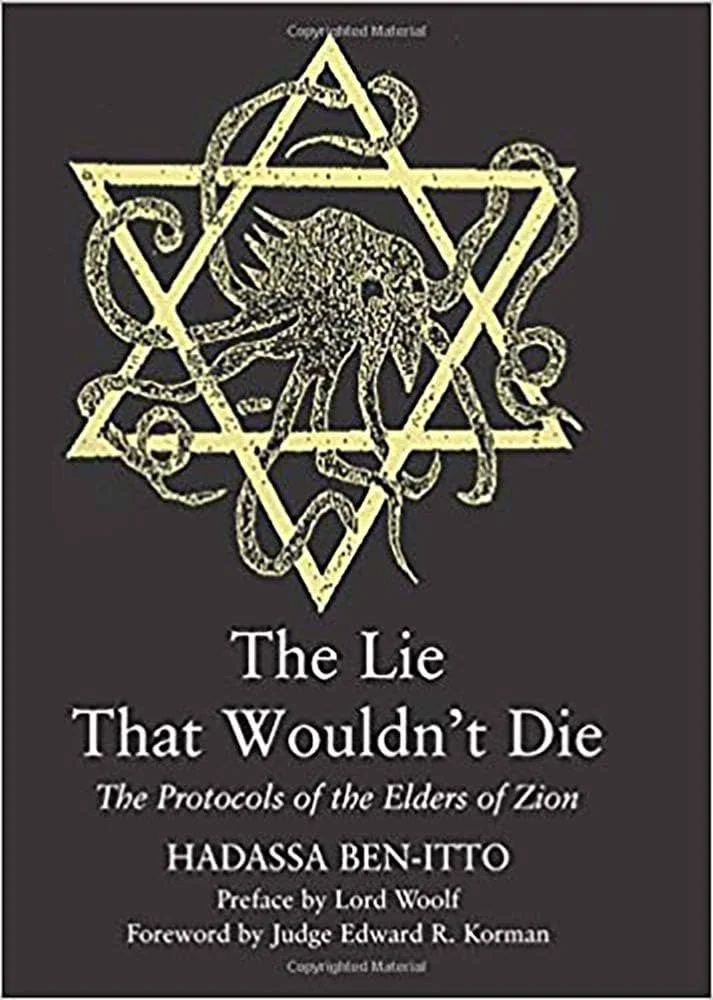
The Resurrection of a Lie: A Comprehensive Analysis of the 2020 Publication of The Protocols of the Elders of Zion in Finland
In 2020, the antisemitic forgery The Protocols of the Elders of Zion was republished in Finland by neo-Nazi-linked Kielletyt Kirjat and tycoon Juha Kärkkäinen. This sparked police investigations for "agitation against an ethnic group," as the text was used to exploit COVID-19 conspiracies and incite hatred.
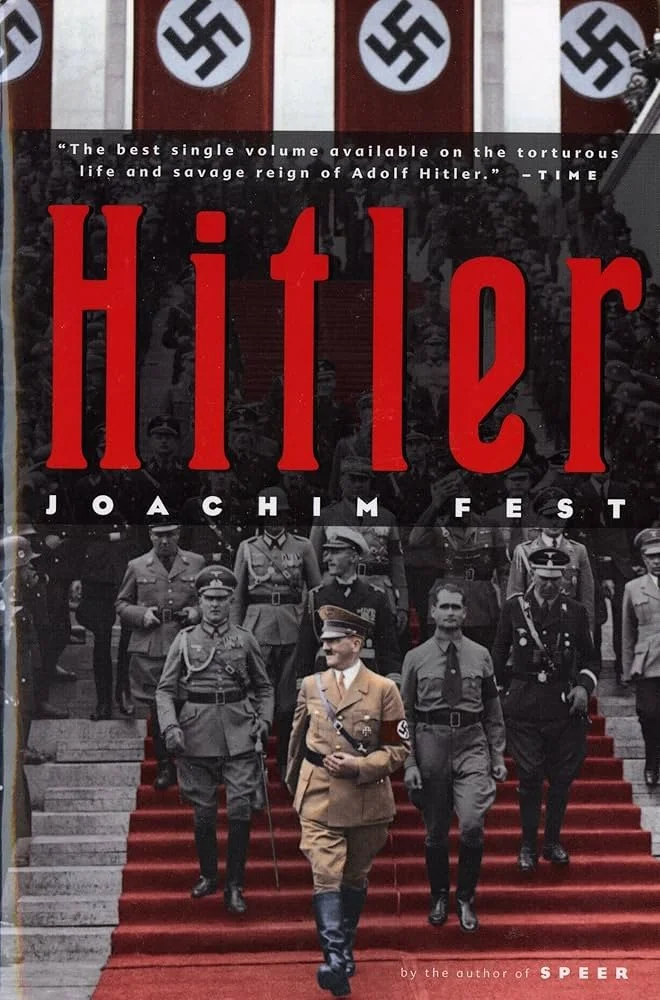
The Serpent and the Swastika: The Gottfried zur Beek Edition of the Protocols and the Genesis of the Third Reich
Hitler relied on the 1919 German edition Die Geheimnisse der Weisen von Zion, edited by "Gottfried zur Beek" (Ludwig Müller von Hausen). Brought to Berlin by Russian émigrés, this specific version added fabrications regarding Walther Rathenau and framed the "Jewish conspiracy" as the direct cause of Germany's WWI defeat.

The Emanations of the Infinite: A Comprehensive Analysis of Kabbalistic Tradition, Theology, and Sociological Impact
Kabbalah is the Jewish mystical tradition connecting the infinite Ein Sof with the finite world via ten Sefirot (divine attributes). Anchored by the 13th-century Zohar, it evolved through Lurianic concepts of Tzimtzum (contraction) and Tikkun (repair), eventually transforming into Hasidic psychology and modern social justice movements.
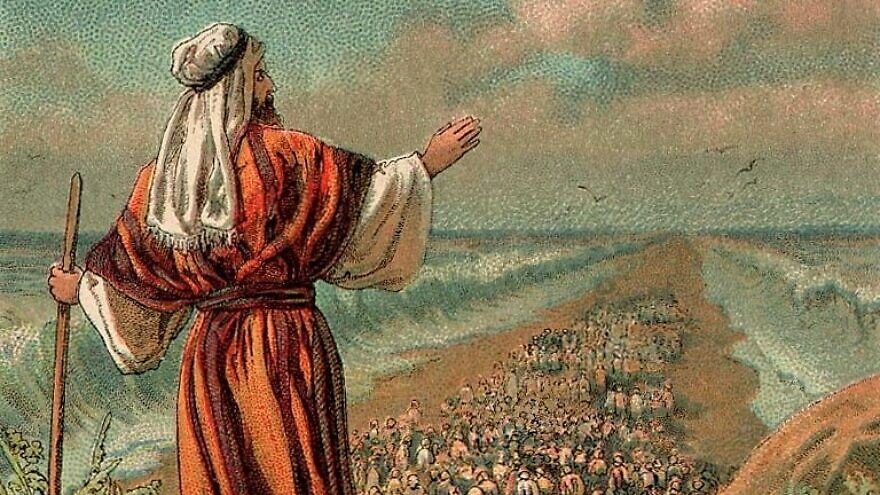
The Exodus of Israel: A Theological, Historical, and Narrative Analysis of the Liberation from Egypt
Pharaoh enslaved the growing Israelite population to suppress them. God commissioned Moses at a burning bush to liberate His people. When Pharaoh refused, God unleashed ten plagues, ending with the Passover. The Israelites escaped through the parted Red Sea, where God destroyed the pursuing Egyptian army.

The Eschatological Coalition: A Comprehensive Comparative Analysis of the Gog and Magog Prophecy in Abrahamic Traditions
Gog and Magog symbolize the archetypal "Enemy from the North" across Abrahamic faiths. Judaism anticipates a pre-Messianic war of purification. Christianity depicts a final Satanic rebellion at the Millennium's end. Islam describes them as chaotic tribes released to signal the Day of Judgment, with all traditions affirming their ultimate defeat by divine intervention.
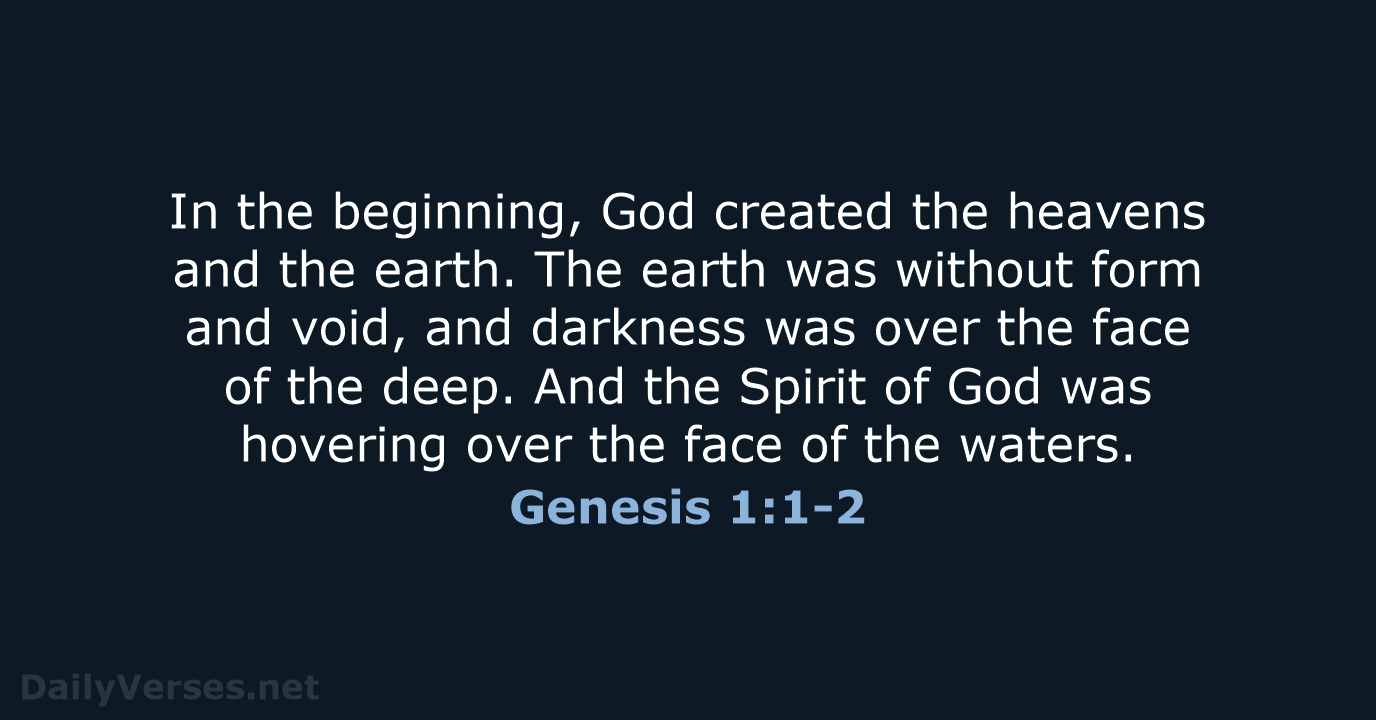
Order from Chaos: An Exegetical and Comparative Analysis of the Genesis Creation and Flood Narratives
Genesis 1:1-2 depicts the Ruach Elohim (Spirit of God) organizing chaos. Contrasting with the violent Enuma Elish and Gilgamesh, Genesis uses shared motifs to present a unique theology: a moral, sovereign Creator establishing peace and covenant, replacing the amoral violence of Mesopotamian polytheism.
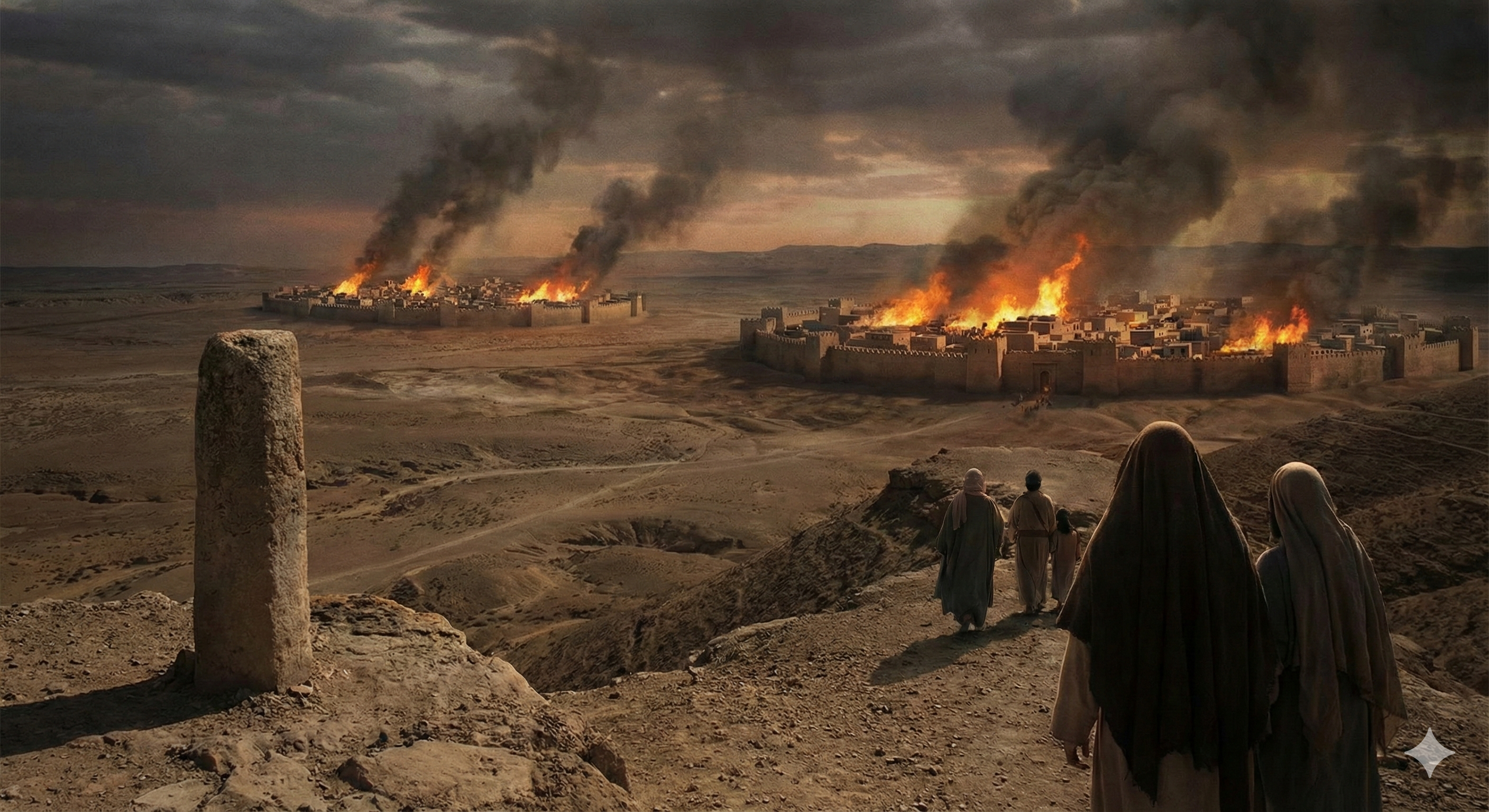
The City of the Plain: An Exhaustive Historical and Theological Analysis of the Sodom Narrative and its Role in the Construction of Sexual Morality
Originally condemning inhospitality and violence , the Sodom narrative was reinterpreted by Hellenistic writers to target same-sex acts. Emperor Justinian later codified this as a threat to the state. This evolution created the legal category of "sodomy," transforming a story about protecting strangers into a weapon against homosexuality.

The Edenic Curse: An Exegetical and Comparative Theological Analysis of the Fall and Its Consequences for Humanity
Genesis details Adam and Eve’s expulsion, but interpretations diverge. Christianity views this as "Original Sin," an inherited curse requiring redemption. Conversely, Judaism and Islam reject inherited guilt, viewing the event not as a permanent spiritual curse but as a shift in circumstance, emphasizing free will, stewardship, and personal repentance.
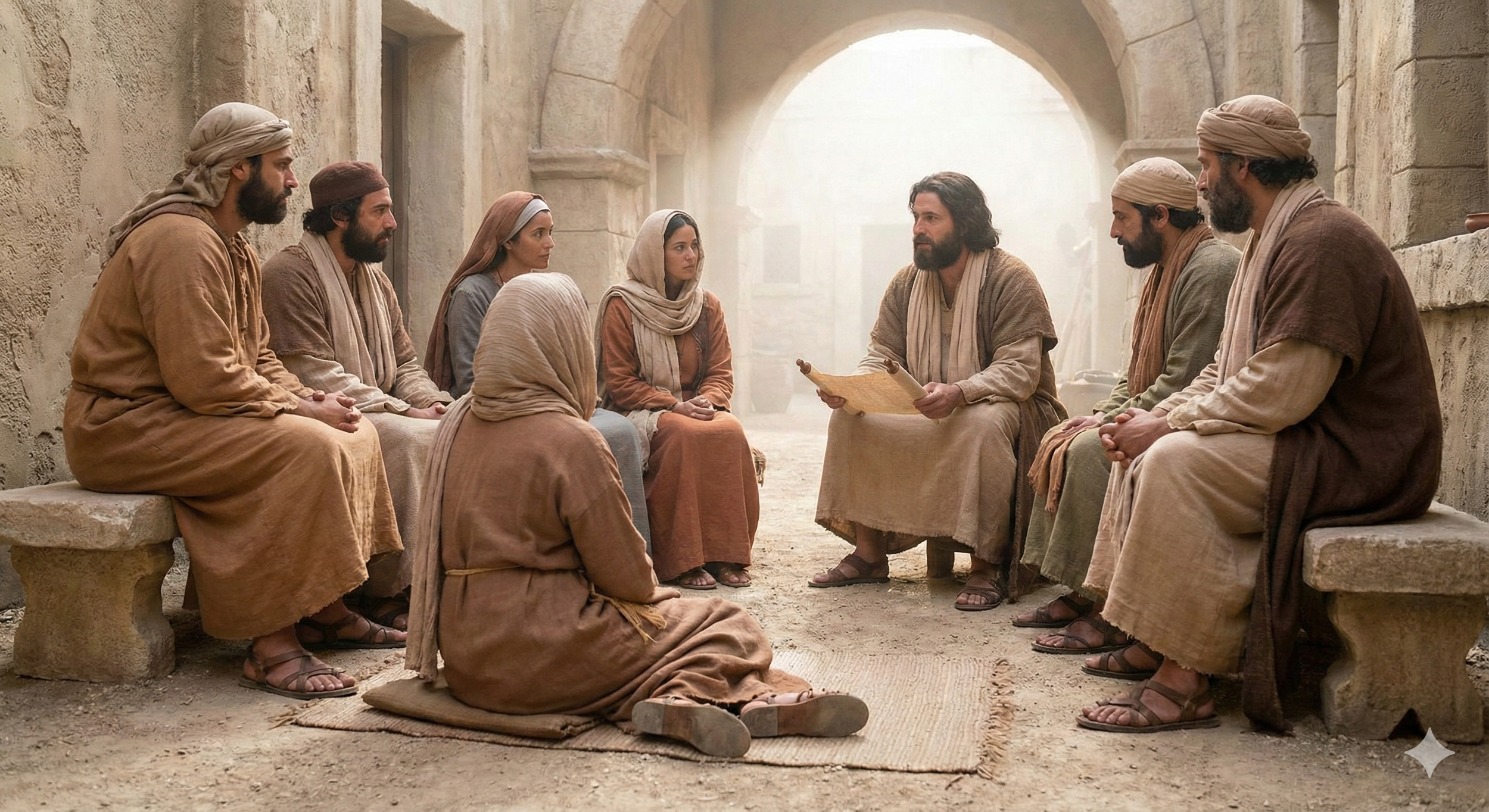
The Matrix of Messiah: A Sociological and Historical Analysis of the Origins and Diffusion of the Early Jesus Movement (30–325 CE)
Early Christianity rapidly expanded from a Jewish sect by leveraging Diaspora synagogue networks and attracting "God-fearers". The Pax Romana facilitated travel , while persecution dispersed missionaries like the Hellenists. Furthermore, strong social cohesion, care during epidemics, and pro-family demographics accelerated its growth.

And God saw it was good
The declaration "God saw that it was good" affirms creation's functional readiness and aesthetic beauty (tov). Structurally, it marks the successful "forming and filling" of the cosmic temple. Theologically, it counters ancient chaos myths, establishing a material world that is intrinsically valuable, distinct from the Creator, and ultimately "very good".
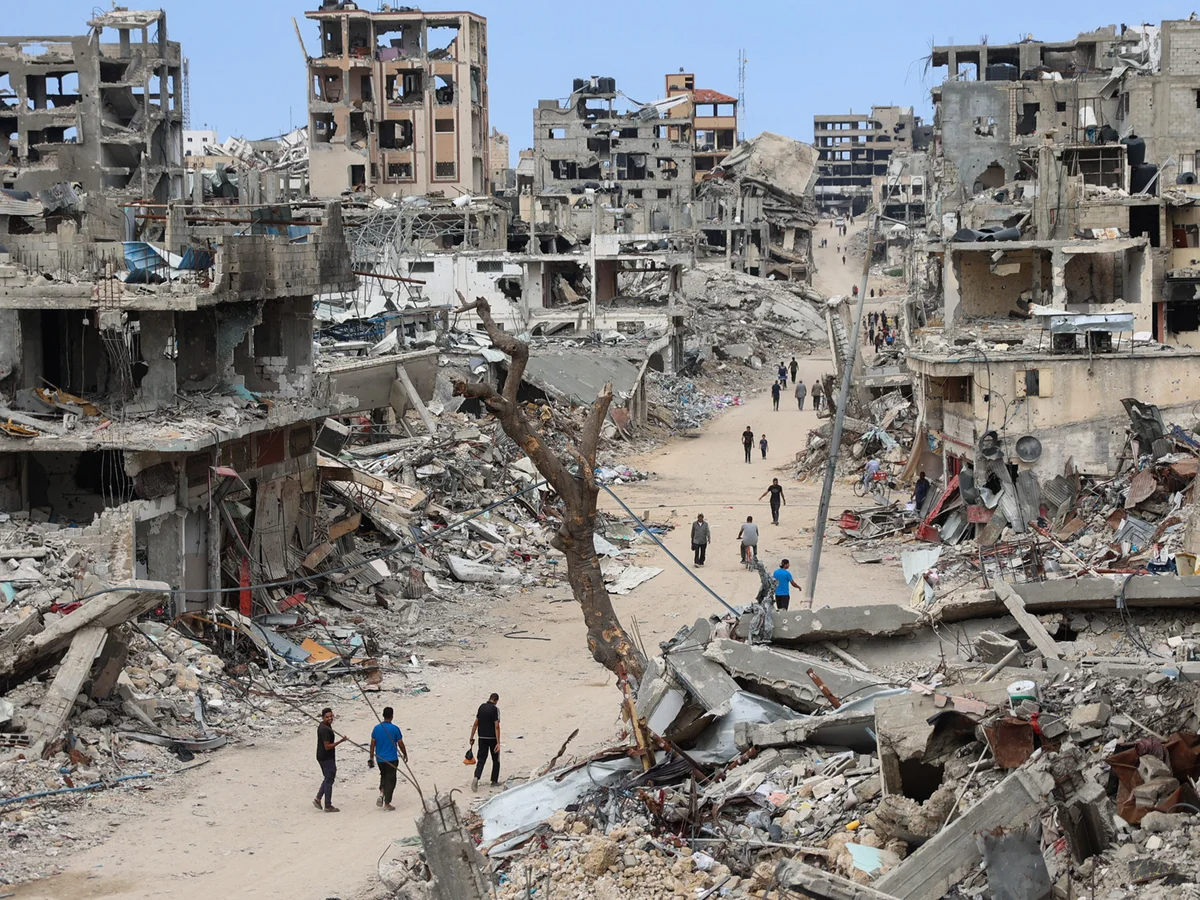
The Doctrine of Total Victory and Its Discontents: A Strategic History of the Israel-Palestinian War (2023–2025)
Netanyahu's "Total Victory" campaign (2023–2025) physically devastated Gaza but failed to eliminate Hamas politically. The war evolved into permanent occupation, with Israel retaining 53% of Gaza and advancing West Bank annexation. A fragile 2025 Trump-brokered freeze halted kinetic operations but left Israel diplomatically isolated, facing ICC warrants, and internally fractured