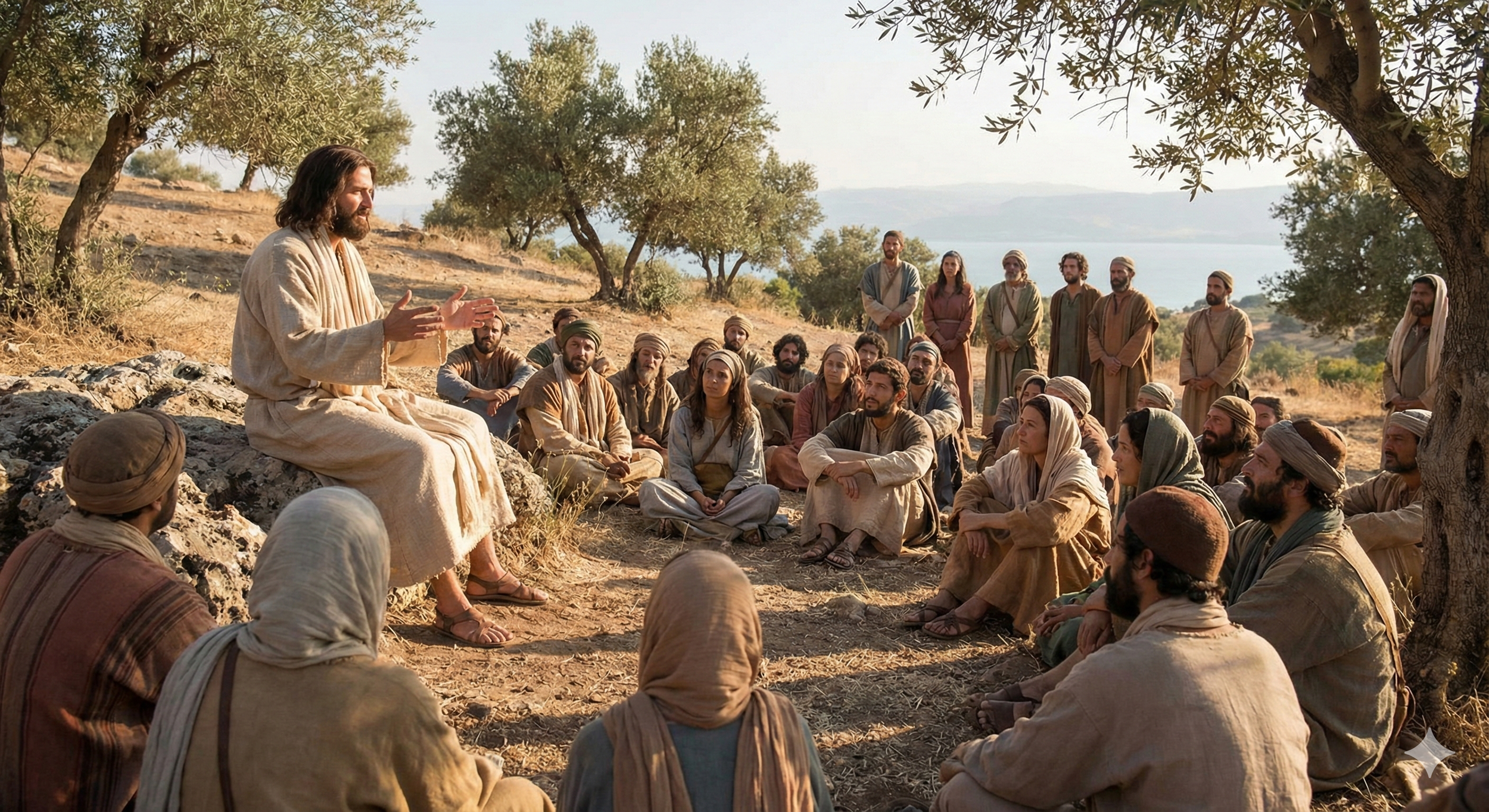
The Christological Hermeneutic: An Exhaustive Analysis of Messianic Prophecy Fulfillment in the Life of Jesus of Nazareth
Jesus fulfilled numerous Old Testament prophecies validating his Messianic identity. Key examples include his birth in Bethlehem (Micah 5:2), virgin conception (Isaiah 7:14), and Davidic lineage. His betrayal for silver (Zechariah 11:12), suffering (Isaiah 53), and resurrection (Psalm 16:10) align precisely with Hebrew Scriptures.
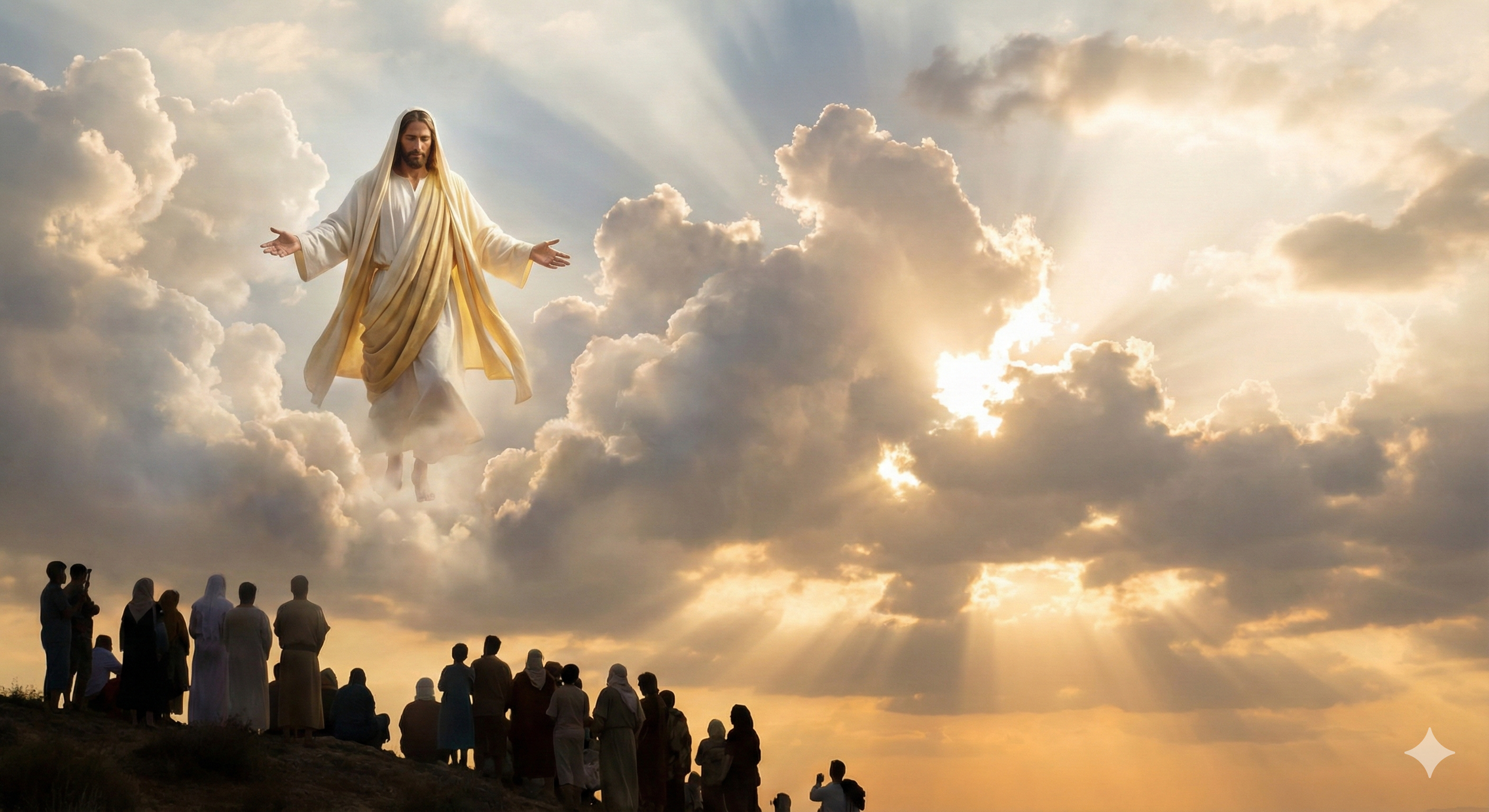
The Parousia and the Tribunal: A Systematic and Historical Analysis of the Second Coming and Final Judgment
The Second Coming of Christ (Parousia) anchors the Final Judgment. While Amillennialists view this as a singular event of cosmic renewal, Dispensationalists distinguish multiple tribunals spanning a millennium. Ultimately, this arrival signifies the definitive intrusion of divine justice, permanently fixing the eternal state of all creation

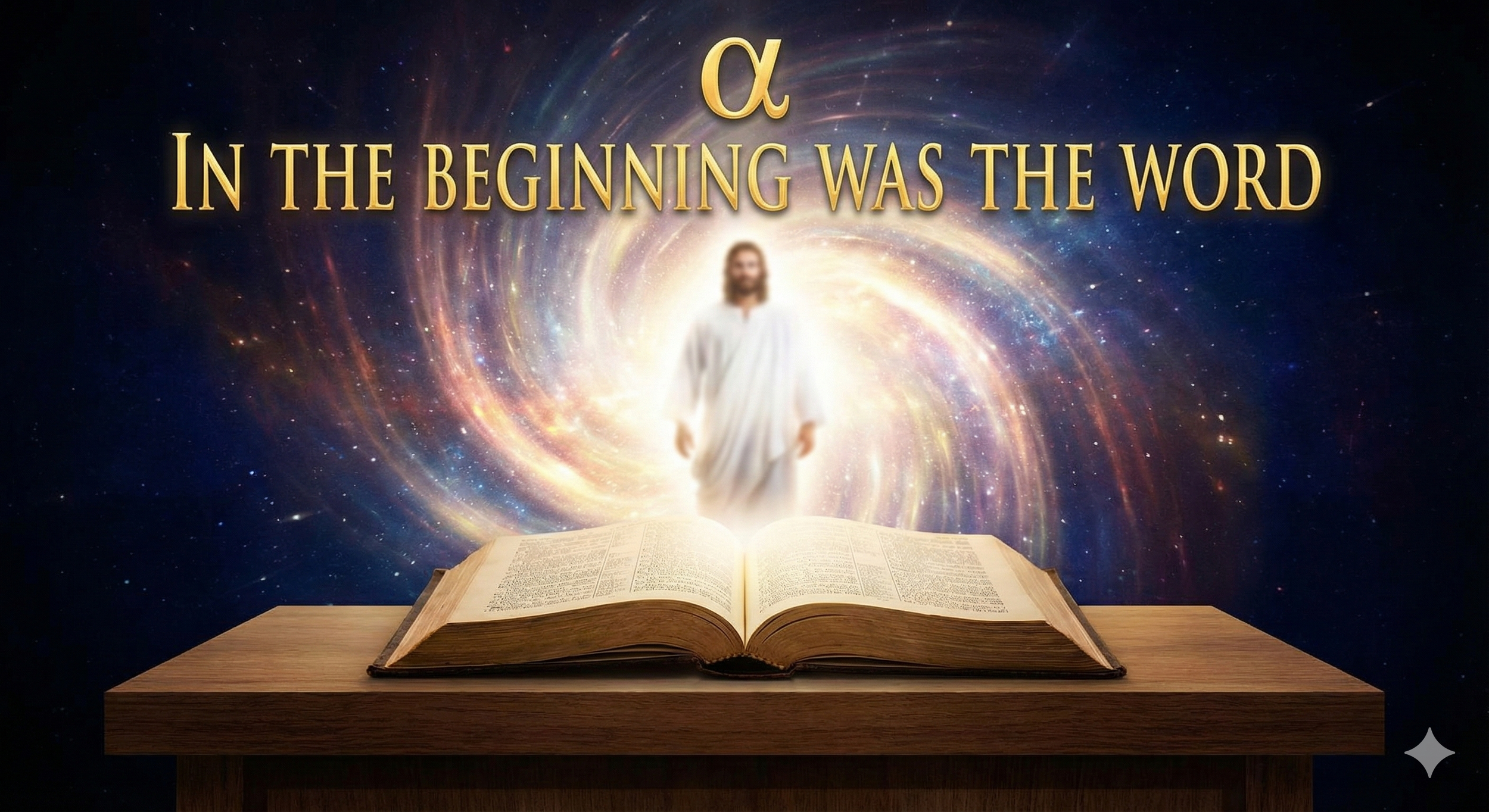
In the Beginning Was the New Creation: A Comprehensive Exegesis on the Johannine Prologue as the Inauguration of the Reconstituted Cosmos
John 1 establishes a "New Genesis," presenting Jesus as the divine Logos and Architect of a reconstituted cosmos. This narrative replaces the old order of biological descent and physical Temple with spiritual regeneration and the Incarnate Word. It marks the invasion of eternal life (zoe) into history, inaugurating a realized eschatology.
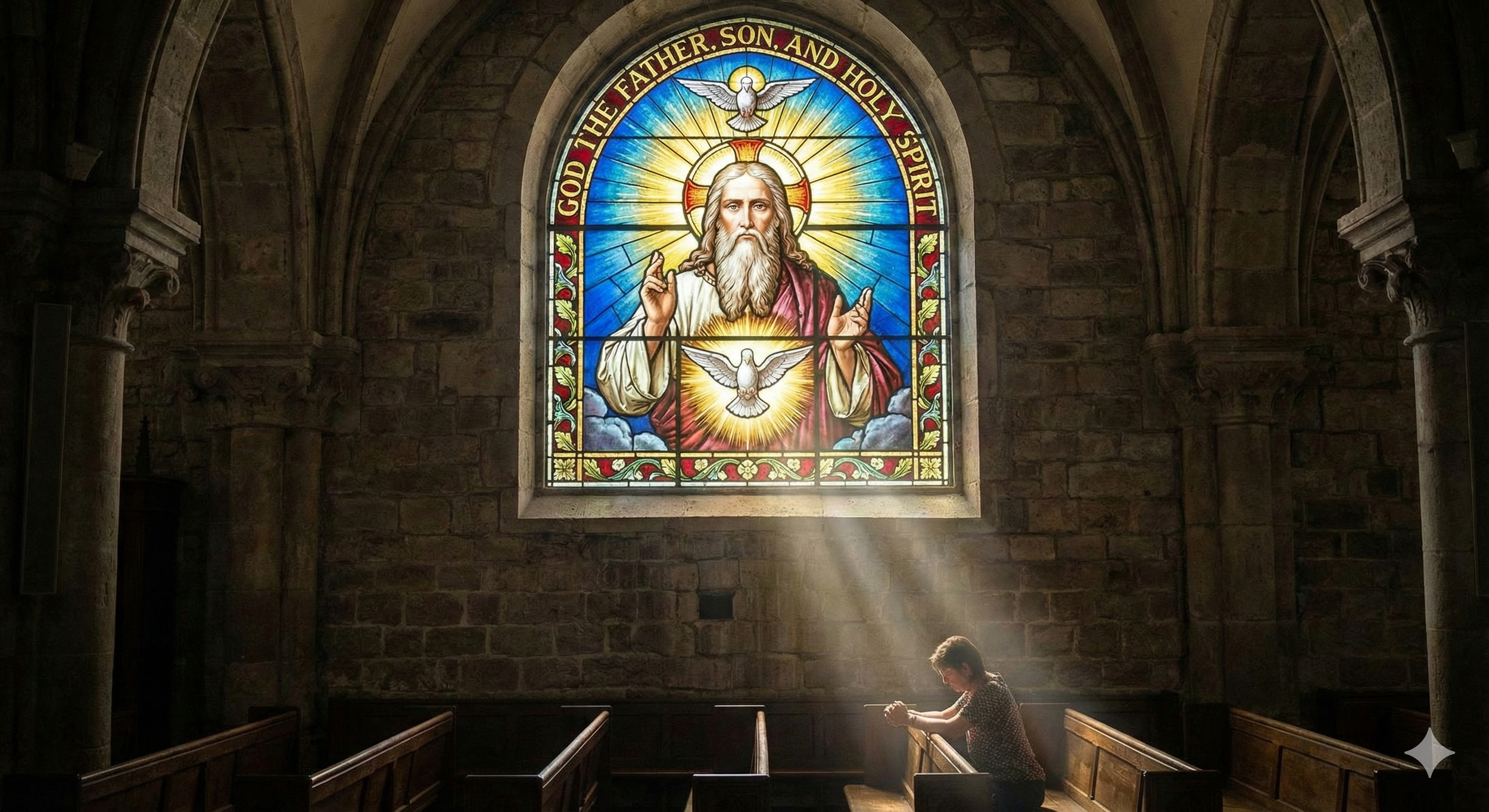
The Identity of the God of Israel in Christian Theology: Continuity, Contest, and Christological Reconfiguration
Christianity asserts identity with the God of Israel through continuity (Jesus fulfilling patriarchal promises) and reconfiguration (integrating Jesus into the "Divine Identity"). This claim was forged against Marcionism to defend the Creator's goodness, yet often led to supersessionism, where the Church appropriated Israel's titles while displacing its people.