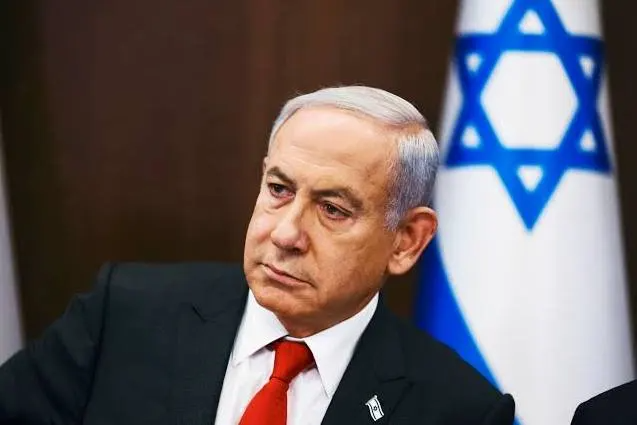
The Netanyahu Doctrine: A Strategic History of Israeli Military Operations Across Sovereignties (1996–2025)
Benjamin Netanyahu’s premierships (1996–1999, 2009–2021, 2022–Present) shifted Israel’s doctrine from containment to "Total War". Operations spanned Gaza, Lebanon, Syria, and Iran, evolving from "Campaign Between Wars" airstrikes to direct conflict. Key actions included the 2025 Iran nuclear strikes, continuous Syrian interdiction, and the reoccupation of Gaza
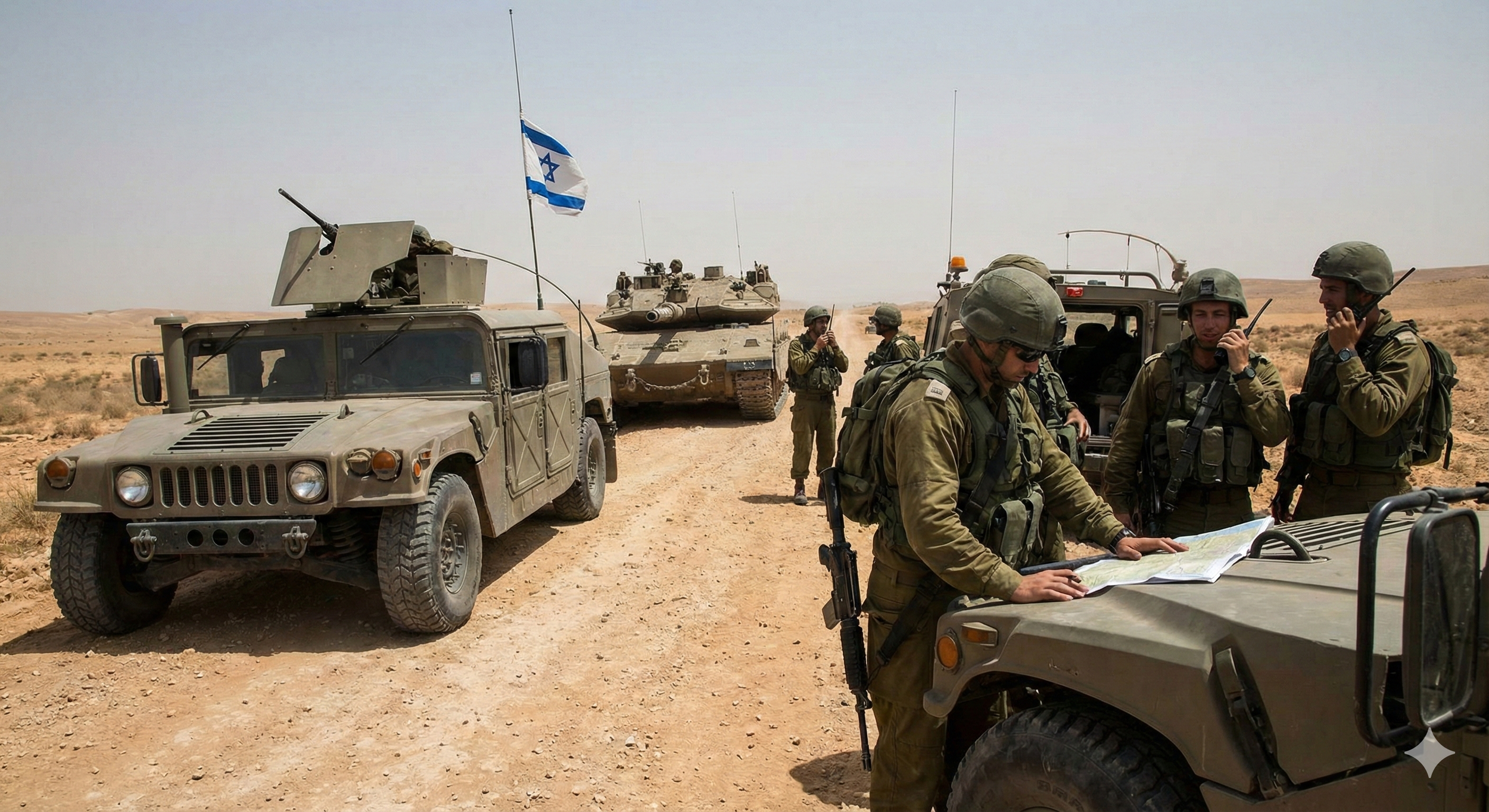
Operation Iron Wall and the Strategic Reconfiguration of Judea and Samaria: A Comprehensive Analysis of the 2024–2025 Campaign
In January 2025, Israel launched Operation Iron Wall, a massive military campaign in the northern West Bank aimed at dismantling militant infrastructure. The operation caused widespread destruction and displaced over 32,000 Palestinians from refugee camps. Concurrently, settler violence surged, prompting unprecedented international sanctions against extremist figures,

Exegesis, Theology, and Ethics of the Imago Dei: A Comprehensive Analysis of Genesis 1:26-27
Genesis 1:26-27 establishes the Imago Dei, asserting that all humans bear the divine image, thereby democratizing royal dignity. This text mandates stewardship over creation rather than exploitation and affirms gender equality. Consequently, it serves as the ethical bedrock for addressing modern challenges in ecology, bioethics, and artificial intelligence
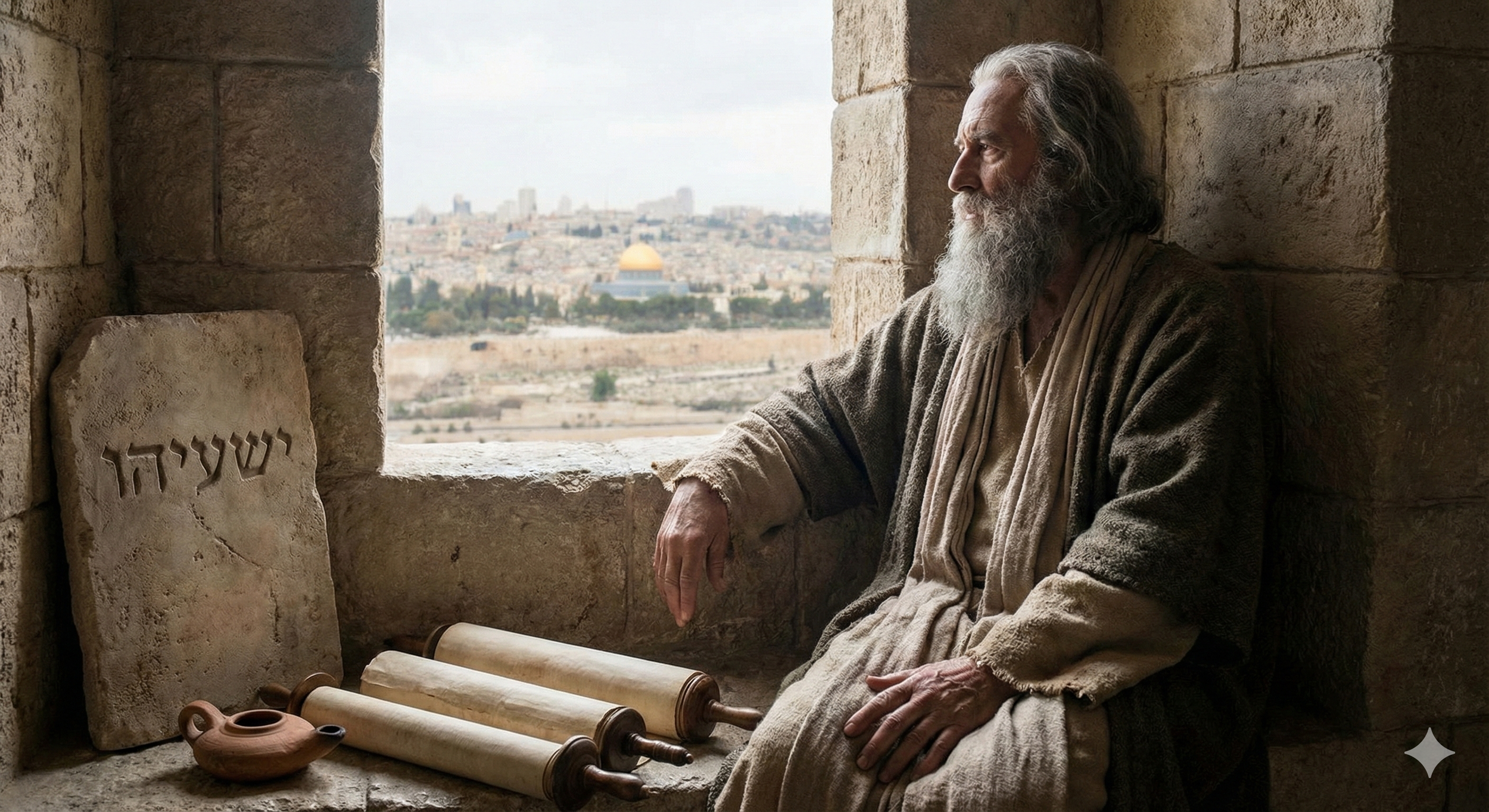
The Prophetic Cathedral: A Critical, Historical, and Theological Analysis of the Book of Isaiah
Known as the "Fifth Gospel," Isaiah spans prophetic history from Assyrian judgment to Persian restoration. Whether read as tripartite or unified, the book progresses from condemnation to comfort. Its central themes—God's holiness, the Suffering Servant’s atonement, and the hope of New Creation—establish it as the Bible’s theological cathedral
Divine Restraint and Sacred Violence: A Comprehensive Legal, Theological, and Ethical Analysis of the Rules of Engagement in Deuteronomy 20
Deuteronomy 20 frames warfare as a spiritual act requiring divine restraint. It mandates a peace offer before combat, provides exemptions for personal milestones or fear, and prohibits "scorched earth" tactics against fruit trees. While distant cities are subjugated, Canaanite nations face total destruction to prevent idolatry, influencing modern ethical codes.
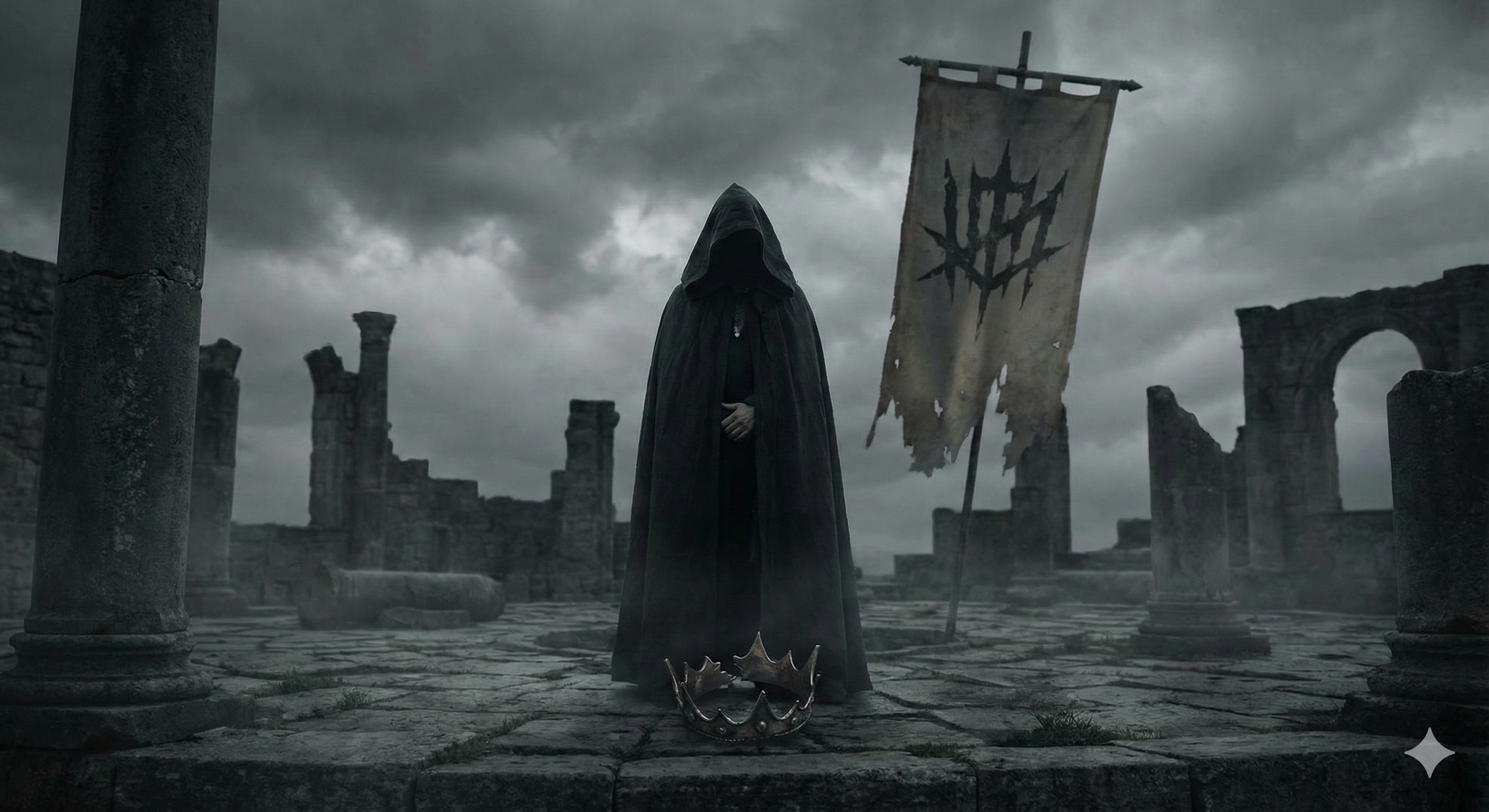
The Enforcement of the Covenant: An Exhaustive Exegetical and Eschatological Analysis of Daniel 9:27
Daniel 9:27 predicts the Antichrist (the "Prince who is to come") will enforce a seven-year covenant with Israel, initiating the final Tribulation period. This "strong" treaty likely guarantees security and restores Temple worship but is treacherously broken at the midpoint, halting sacrifices and establishing the "Abomination of Desolation
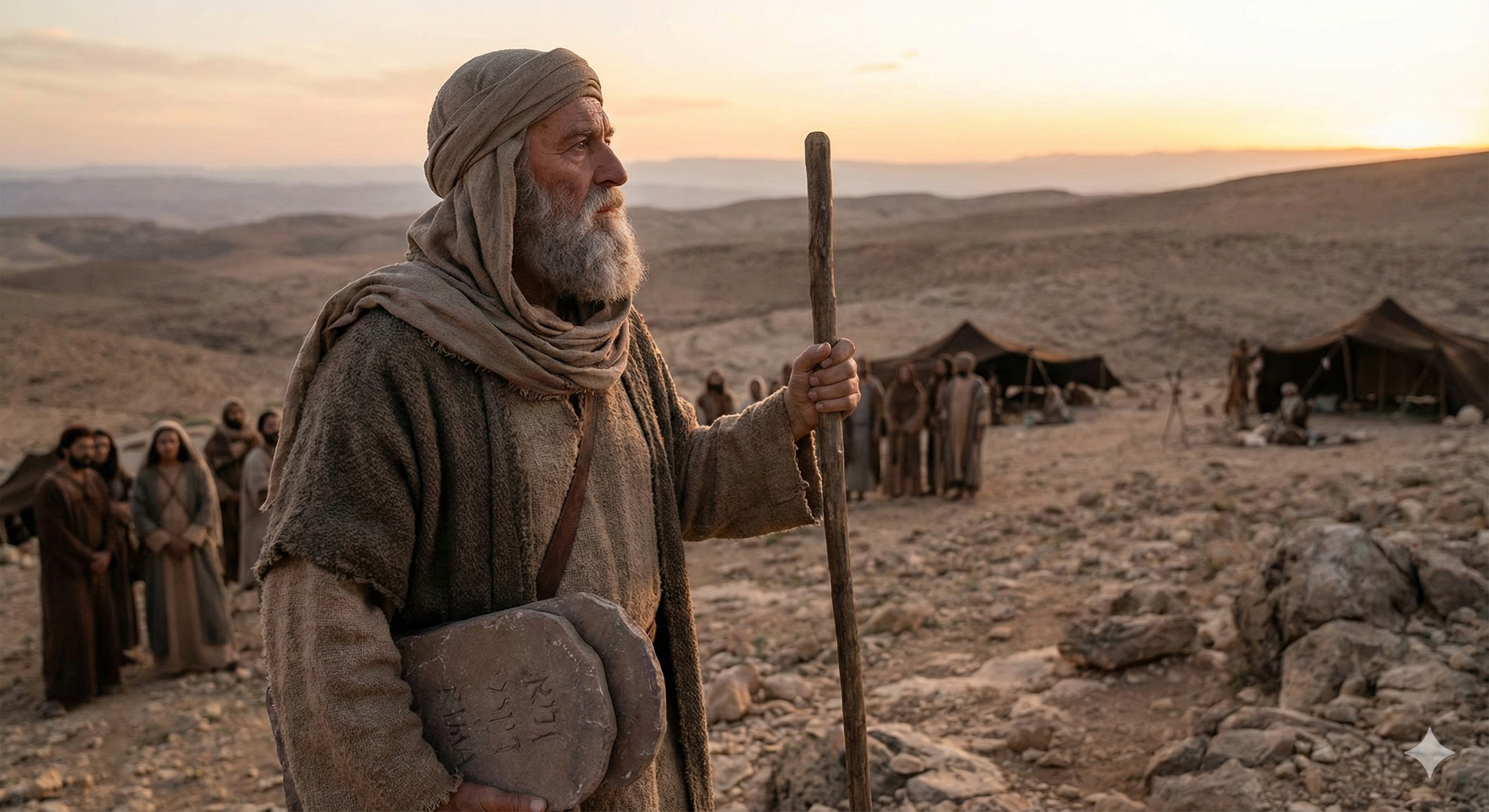
The Prophet and the Precipice: An Exhaustive Theological and Narrative Analysis of Moses and the Promised Land
The narrative spans God’s oath to the Patriarchs and Israel’s rebellion following the spies’ report. Moses is barred from entering Canaan due to his failure at Meribah , symbolizing the Law’s inability to bring final "Rest". Joshua leads the entry, typifying Christ’s grace.
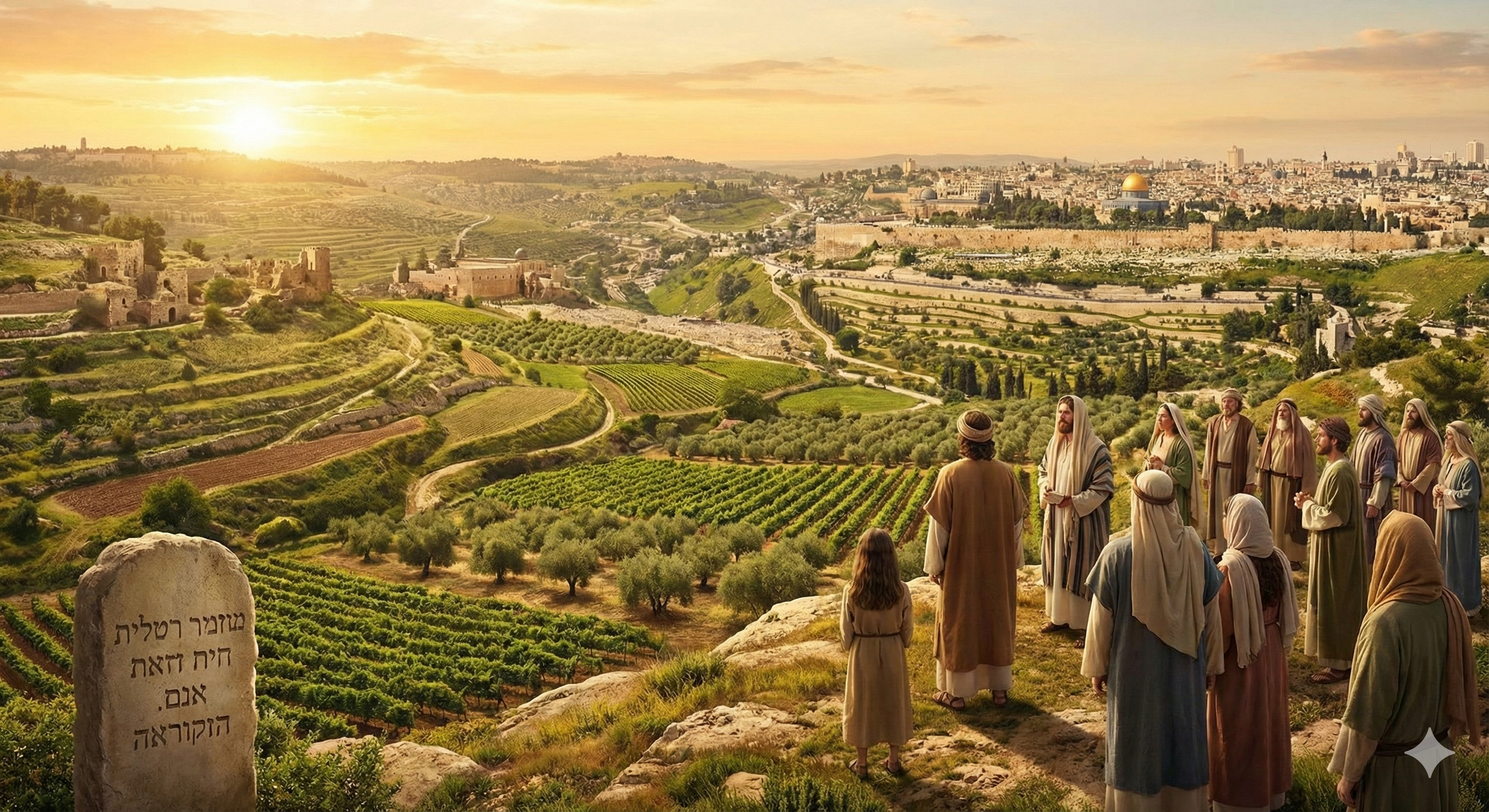
The Prophet Like Moses: An Exegetical and Comparative Analysis of Deuteronomy 18:15-19
Deuteronomy 18:15-19 promises a "prophet like Moses," sparking diverse interpretations. Judaism views this as a continuous prophetic line preserving the Torah. Christianity identifies Jesus as the ultimate fulfillment and New Moses. Islam sees Muhammad as the predicted final messenger. Each tradition's distinct theological framework shapes its understanding of this shared scripture.
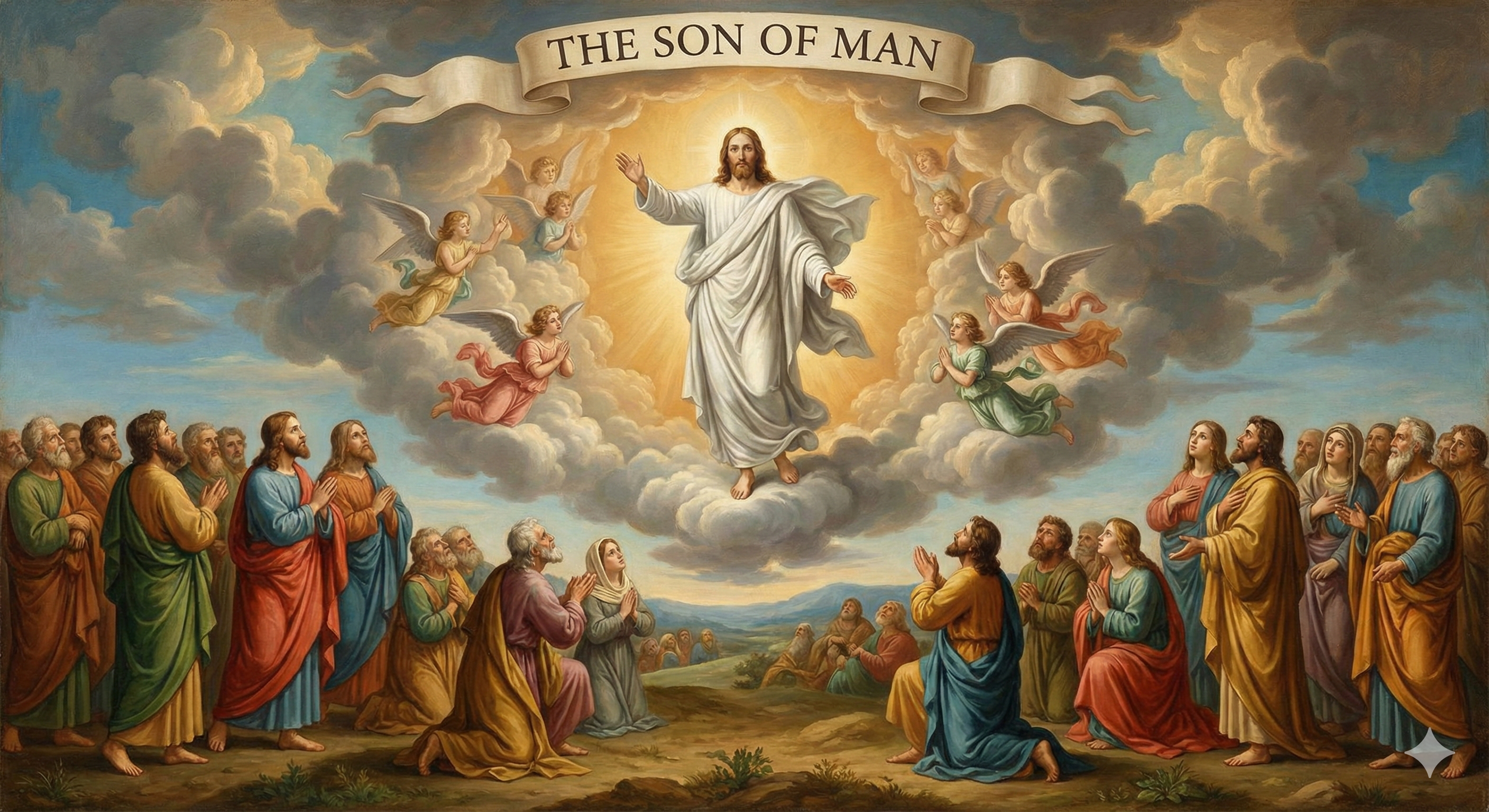
The Oracle of the Son of Man: An Exhaustive Exegetical, Historical, and Eschatological Analysis of the Gog and Magog Prophecy in Ezekiel 38–39
Ezekiel 38–39 predicts a massive invasion of a restored Israel by Gog of Magog, leading a northern coalition often identified with Russia and Iran. God sovereignly destroys them through cataclysmic judgment to display His holiness , followed by seven years of burning weapons and cleansing the land.
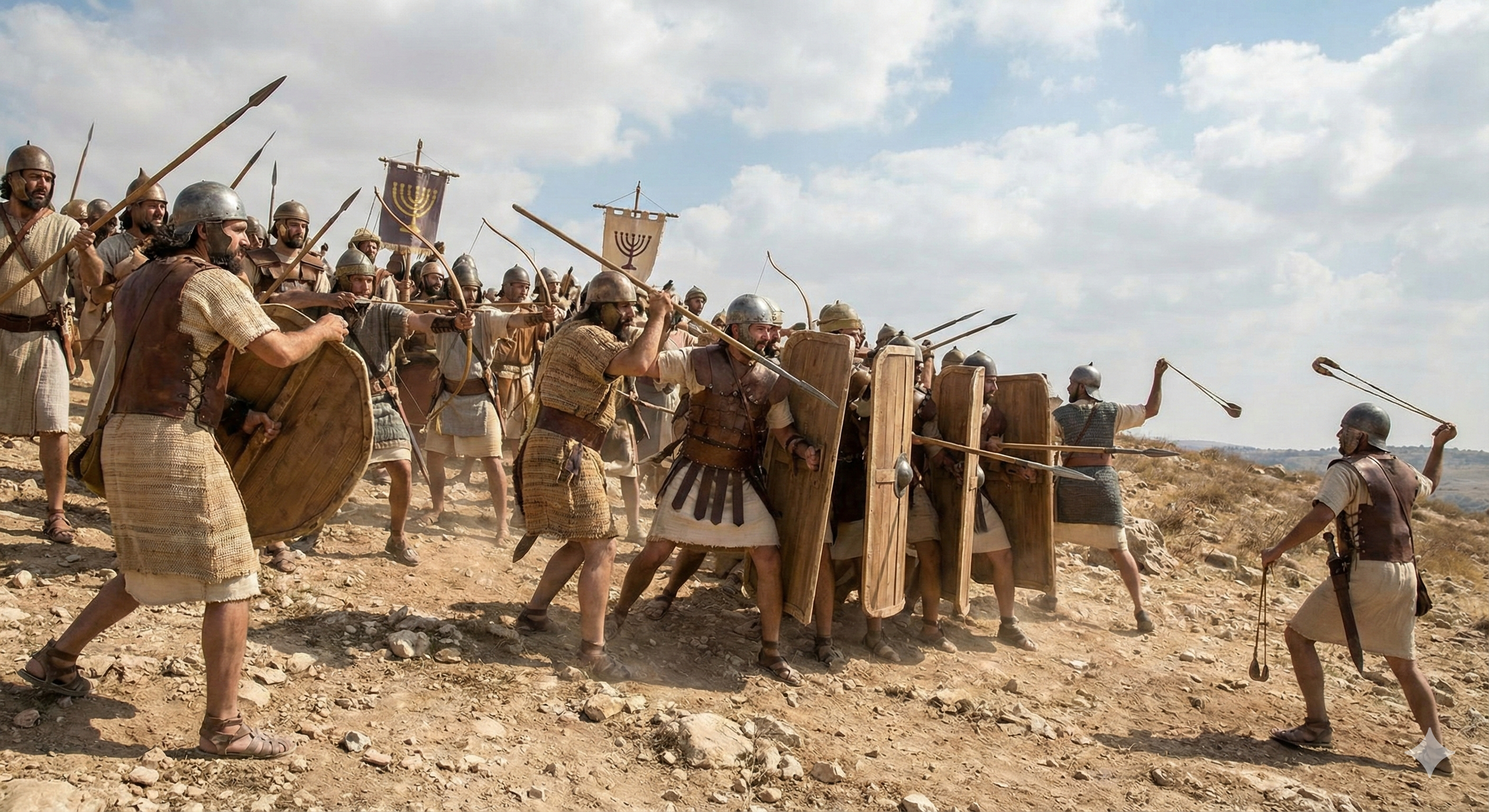
The Command of Herem and the Canaanite Remnant: A Historical, Theological, and Archaeological Analysis of Israel’s Conquest and Compromise
God commanded herem to prevent spiritual infection, yet Israel failed to fully displace the Canaanites. These remaining nations became "thorns" of military oppression and "snares" of idolatry. This compromise caused the "Canaanization" of Israel, leading to a cycle of judgment and their eventual exile
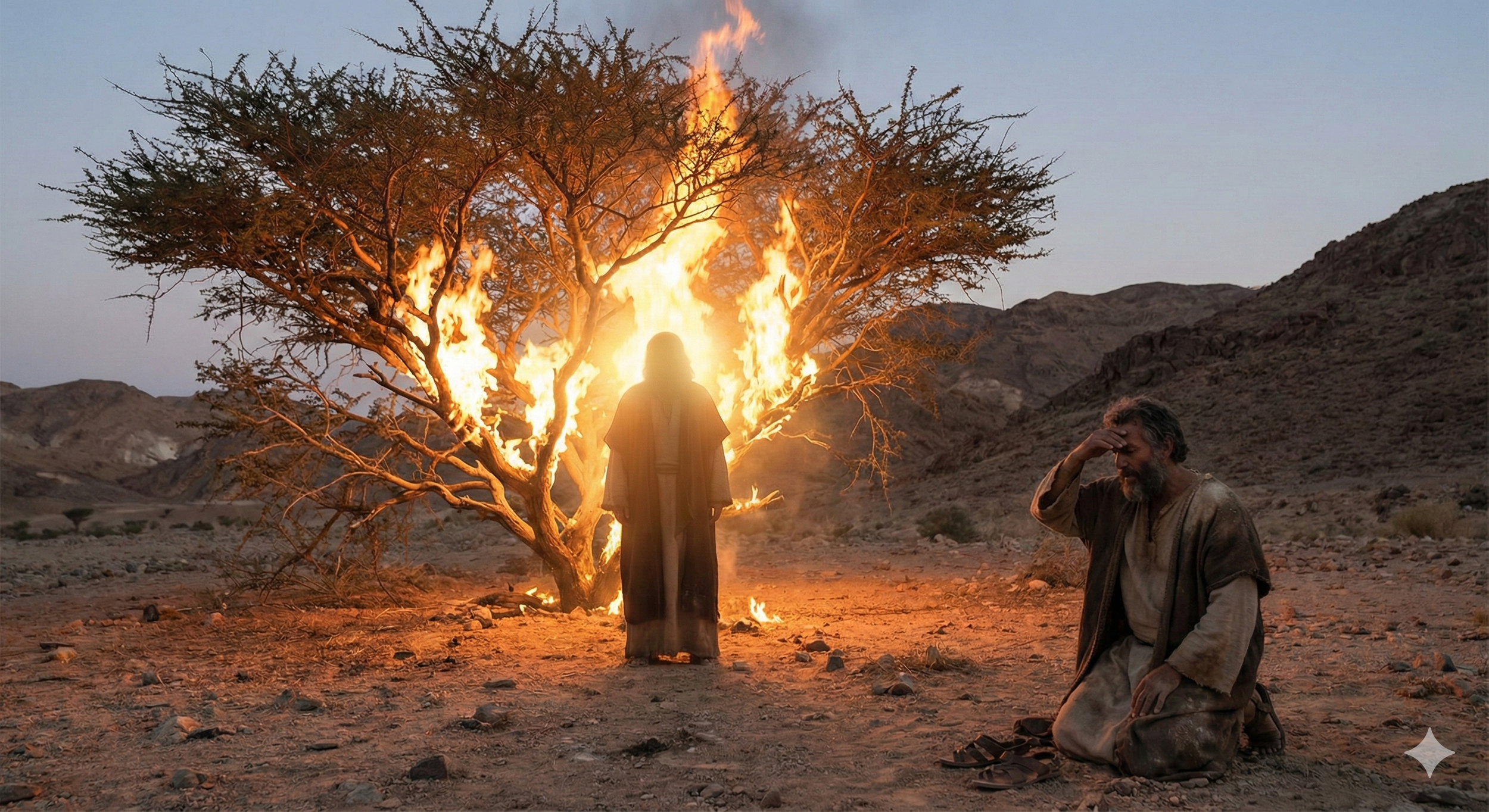
'Ehyeh asher 'Ehyeh': An Analysis of the Divine Name in its Narrative, Linguistic, and Theological Contexts
"I am that I am" ('Ehyeh asher 'Ehyeh') redefines divinity from functional mythology to absolute Being. It establishes YHWH as both an eternal Creator and an active, covenantal presence. This grammatical ambiguity—spanning "I am" and "I will be"—unites philosophical existence with personal relationship, marking a radical theological revolution.
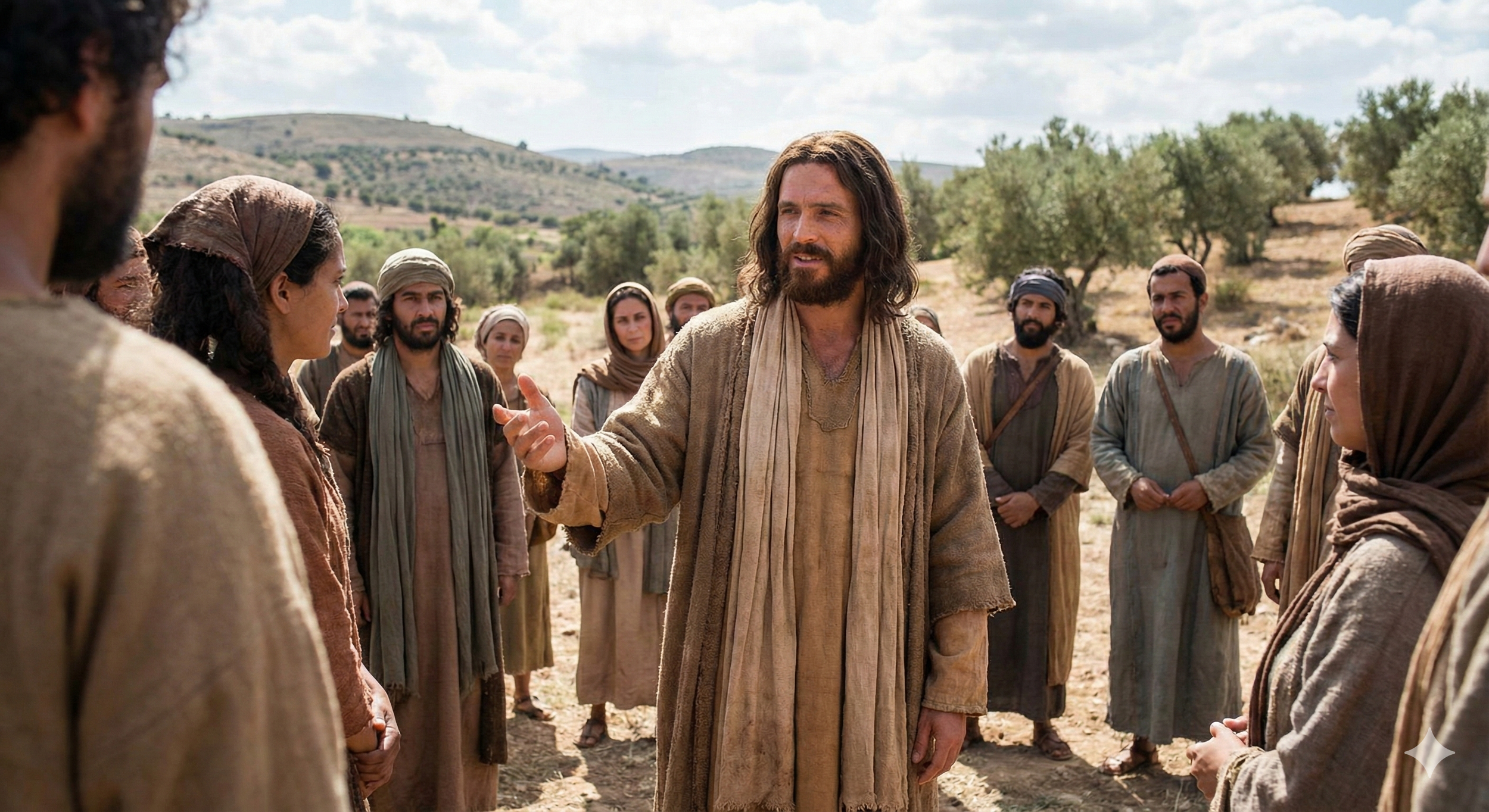
The Anointed Hope: An Exhaustive Analysis of the Concept, Prediction, and Evolution of the Jewish Messiah
The Jewish Messiah (Mashiach) is defined as a future human king from David’s line, expected to physically rebuild the Temple and gather the exiles. Because this role is functional rather than purely spiritual, Judaism rejects claimants like Jesus or Bar Kokhba who died without achieving universal peace or Jewish sovereignty.
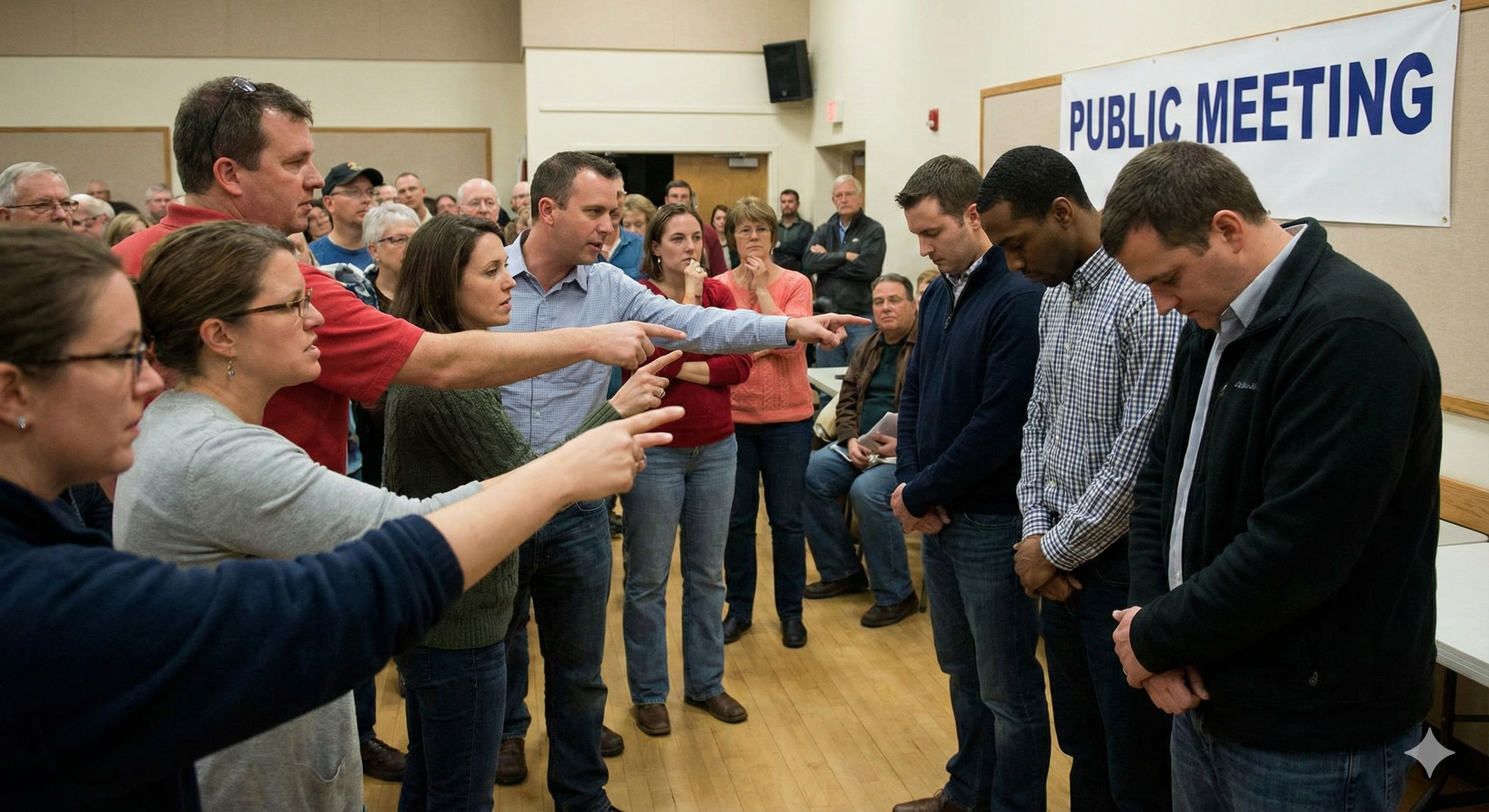
The Etiology of Blame: A Comprehensive Historical and Sociological Analysis of Antisemitic Scapegoating During Epidemiological Crises
Historically, Jews have been scapegoated during disasters—from medieval "well poisoning" accusations to modern bioweapon conspiracies—to provide a false sense of control over inexplicable tragedies. This phenomenon is driven by psychological defenses against mortality (Terror Management Theory) and economic opportunism, transforming the minority into a perceived "parasitic" enemy to be purged.
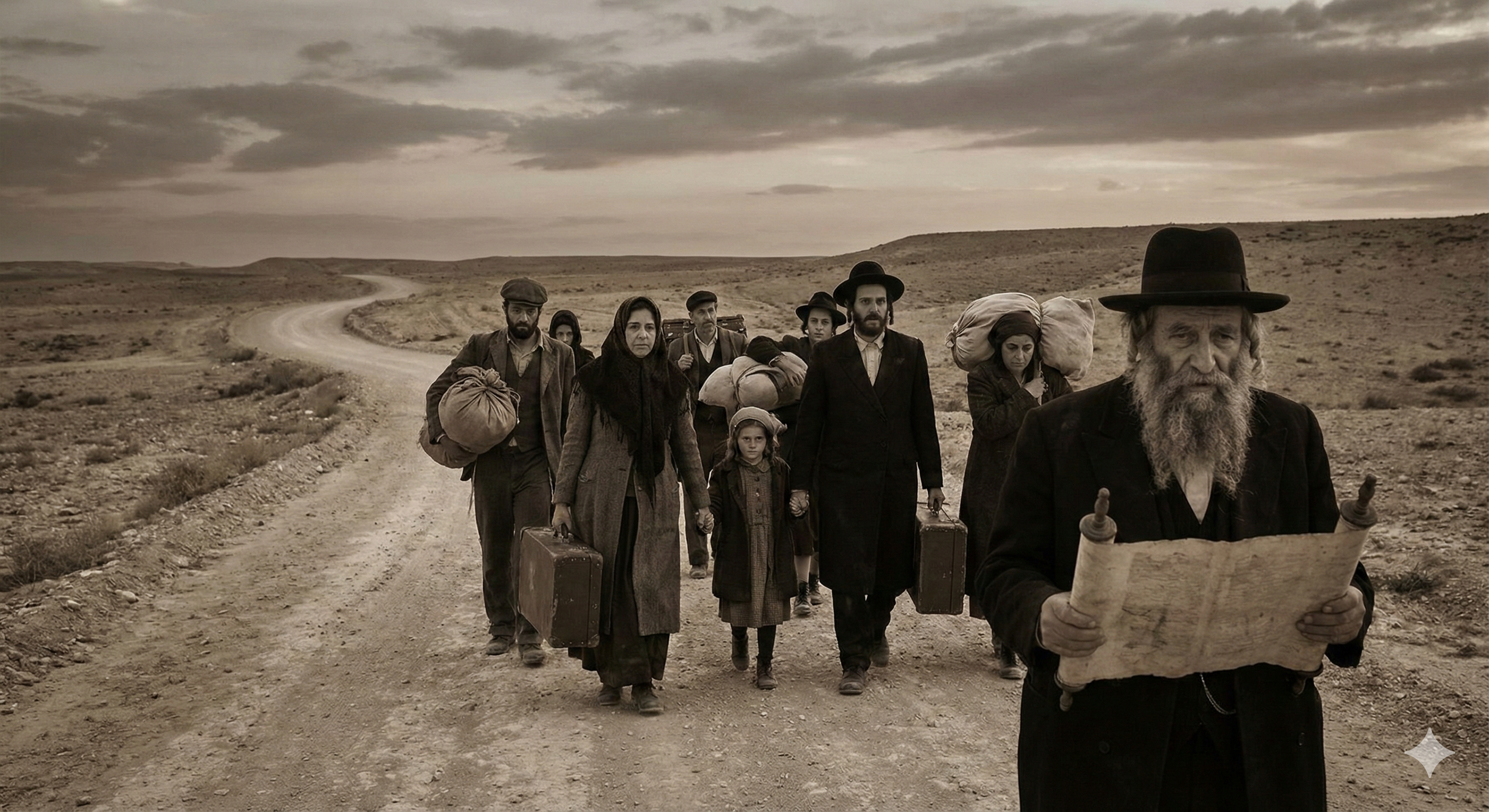
Theology of Displacement: A Comprehensive Analysis of the Religious Etiologies for Jewish Exile and Diaspora
Theologically, the Land "vomits" out impurity. The First Temple fell due to idolatry, immorality, and bloodshed , alongside neglected Sabbatical years. The Second Temple was destroyed by Sinat Chinam (baseless hatred). Kabbalists later reinterpreted the Diaspora as a necessary mission to gather scattered Divine sparks.